The Last Book Shelf
Download

The Skeptic's Way Into Poetry

"What if the problem was never poetry, but the poems you were handed?"

Most people quit poetry in a classroom, dissecting something dense for a hidden meaning. None of these books ask that of you. Mary Oliver and Ross Gay write attention and gratitude in plain daylight, Lucille Clifton can break you in nine lowercase lines, and Frank O'Hara sounds like a friend talking fast on his lunch break. The path ends with Natalie Diaz, proof that verse is still being made fierce and alive. Read them aloud and the door opens.

9 books~18 weeksAccessible
1
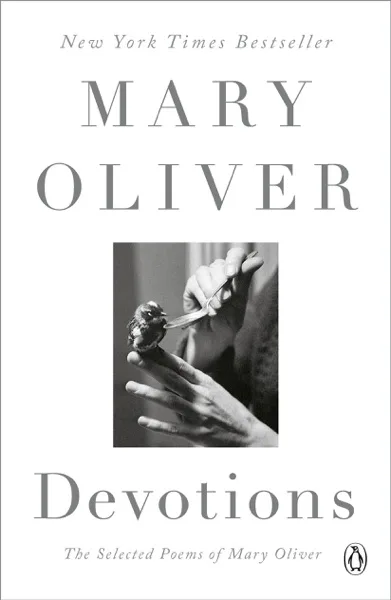
Devotions
Devotions
Mary Oliver · 2017

Devotions is the career-spanning selection Oliver assembled herself, drawn from fifty years and more than a dozen volumes. The great democratizing poet of the American nature tradition, her attentiveness to the world — grasshoppers, geese, black bears, mornings — is Thoreauvian without the aloofness. "The Summer Day" holds the most quoted question in contemporary American poetry: "Tell me, what is it you plan to do / with your one wild and precious life?" She has introduced more non-readers to poetry than perhaps any other American poet.

2
Catalog of Unabashed Gratitude
Ross Gay · 2015

Gay's third collection is a sustained act of the thing the title promises: a gratitude so thorough it includes grief, hardship, and loss within its embrace. The title poem is a 22-page meditation on a fig tree and everything attached to it. National Book Award finalist, Pulitzer finalist. Gay is the poet who has most completely made joy a serious literary subject. Not easy joy, not ignorant joy, but joy that knows what it costs and chooses itself anyway.

3
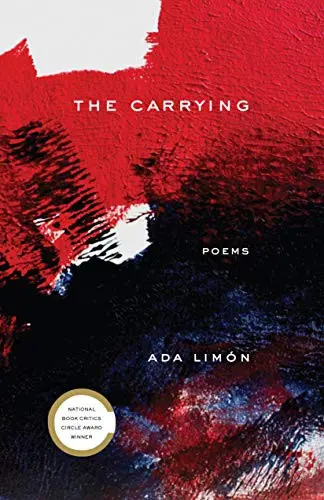
The Carrying
The Carrying
Ada Limón · 2018

Before Limon became U.S. Poet Laureate (2022-24), The Carrying established her as the most physically grounded and emotionally honest poet of her generation. Her poems about infertility, Kentucky horses, grief, and the body's limits are simultaneously accessible and profound. "Dead Stars" became one of the most widely circulated contemporary American poems. Her Laureate anthology (You Are Here) continued her mission: bringing poetry to people who don't think they like it.

4
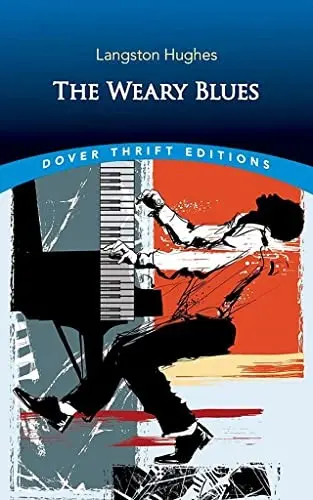
The Weary Blues
The Weary Blues
Langston Hughes · 1926

The debut collection of the Harlem Renaissance's central poet. Hughes incorporated jazz and blues rhythms into poetry at a time when such forms were considered beneath literary attention, creating the most influential fusion of musical and verbal form in American literary history. "The Weary Blues," "Mother to Son," "The Negro Speaks of Rivers": these poems made a generation of Black Americans feel seen in literature for the first time.

5
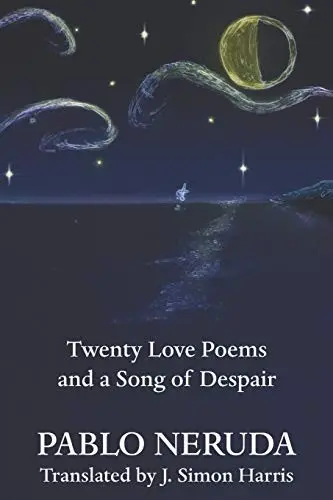
Twenty Love Poems and a Song of Despair
Pablo Neruda · 1924

Written when Neruda was 19, this collection has sold more copies than virtually any other book of poetry ever published. Its erotic directness, its sensory overwhelm, its young man's pure hunger: these are qualities that make it many readers' first serious experience of poetry. "Tonight I can write the saddest lines" remains one of the most quoted poems in the world. It also represents the most accessible entry point into the Spanish-language tradition.

6
The Collected Poems
The Collected Poems
Frank O'Hara · 1971

O'Hara was a curator at MoMA who wrote poems on his lunch break, on the subway, between phone calls ("I am not a professor of anything"), and whose work captures the texture of New York life in the 1950s and 60s with an immediacy no one else has matched. His "Personism" manifesto (the poem should be addressed to a specific person "over the telephone") is the best short anti-manifesto in American poetry. He died at 40, hit by a dune buggy on Fire Island.

7
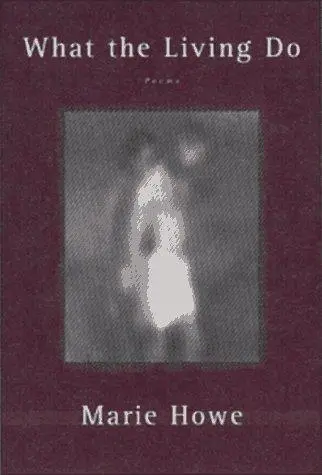
What the Living Do
What the Living Do
Marie Howe · 1997

Howe's elegy for her brother John, who died of AIDS complications, is the most intimate and formally plain collection of elegies since Hardy's. Where confessional poetry often uses grief to perform the self, Howe's poems are so specific (a pair of gloves, a grocery list, the particular way John held his fork) that they dissolve the self into loss and back again. The title poem is among the most beloved contemporary American poems.

8
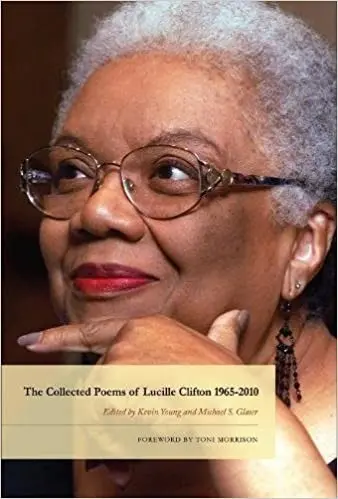
The Collected Poems of Lucille Clifton
Lucille Clifton · 2012

Clifton's poetry (spare, vernacular, unflinching) meditates on the Black female body, her ancestors, her family's history of abuse, and the spiritual dimensions of survival. "won't you celebrate with me / what I have shaped into / a kind of life?" is the most defiant and tender declaration in contemporary American poetry. Two National Book Awards. Ruth Lilly Prize. Her brevity was not simplicity but compression; her shortest poems hold enormous weight.

9
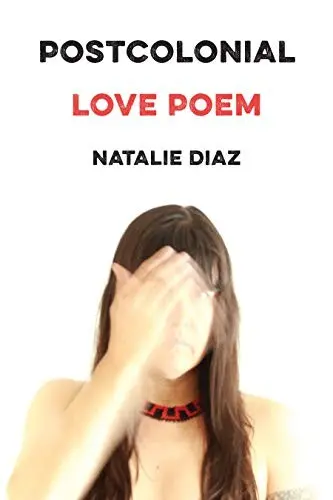
Postcolonial Love Poem
Natalie Diaz · 2020

Diaz's Pulitzer-winning collection (2021) is the most important debut by a Native American poet in decades. Her Mojave identity, her queerness, her brother's addiction, and the Colorado River (which her people consider a living body) all intersect in poems of extraordinary sensory and political intelligence. The title is her argument: that love itself is a postcolonial act, that desire between brown and Indigenous bodies is an act of reclamation.

Unlock Reading Paths
This feature is available with Last Book Shelf Pro
Back to Home