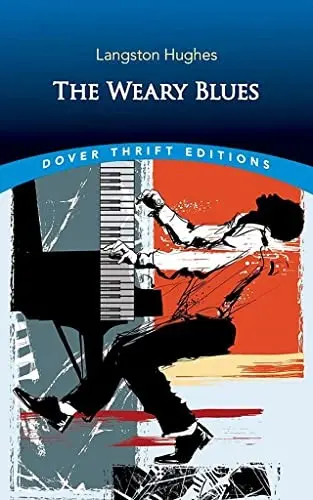
The Weary Blues
The debut collection of the Harlem Renaissance's central poet. Hughes incorporated jazz and blues rhythms into poetry at a time when such forms were considered beneath literary attention, creating the most influential fusion of musical and verbal form in American literary history. "The Weary Blues," "Mother to Son," "The Negro Speaks of Rivers": these poems made a generation of Black Americans feel seen in literature for the first time.
The book's first and harshest critic said flatly there was “hardly enough real poesy to make five good poems” in the whole collection, and a 1926 reviewer went further, calling the writing “crude in texture and lacking in distinction.” Even a sympathetic contemporary, Countee Cullen, worried Hughes leaned too hard on blues, jazz, and specifically Black subject matter, warning the book was one-sided and risked boxing a promising poet into “too much emphasis on strictly Negro themes.” Underneath both reactions sits the same worry: a poet already known for a couple of knockout individual poems was building an entire book around them, and the reviewers of 1926 weren't convinced the rest of the collection cleared that bar. No comparable complaint has surfaced from a reader picking the book up today.
The case for it and the rest of the canon open with Pro.