Essays
One mind, on the page, with nowhere to hide.
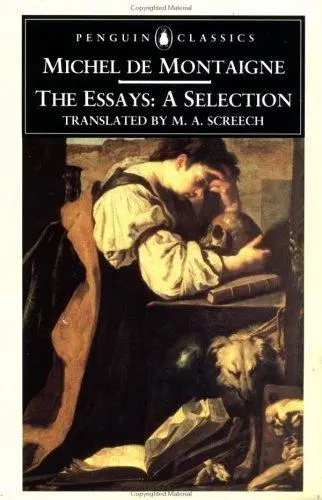
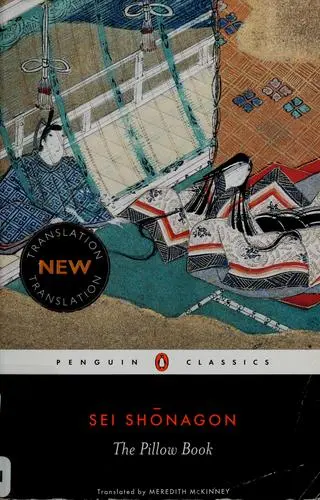
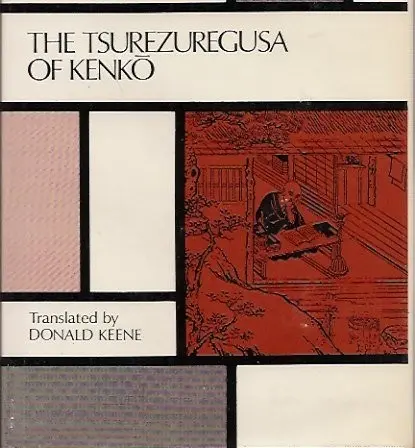
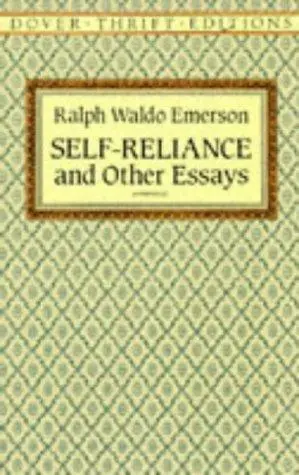
The essay was invented by one man in a tower who wanted to know what he actually thought. Montaigne still runs this wing; everyone else pays rent. Sontag will scold you for interpreting, Barthes will read a wrestling match like scripture, and Thoreau will lecture you on simplicity from a cabin his mother did laundry for, a fact that does not diminish Walden so much as season it. The essay forgives nothing, its writers least of all. It is thinking with the door open. If novels are marriages, these are the conversations that run to four in the morning, and you will find yourself quoting them for years without meaning to.
The self-sufficiency claim doesn't survive scrutiny: Thoreau lived under two miles from Concord on land borrowed from Emerson, ate food townspeople gave him, and heard the train whistle daily, which strikes readers as “Amish cosplaying and definitely not secluded.” The tone doesn't help either; more than one reader calls it “holier than thou,” especially in the Baker Farm chapter, where he lectures a struggling Irish family on living simpler than he does. The prose draws its own complaints, dense and archaic enough that a reader calls the whole experience “a fantastic cure for insomnia.” The bean-field accounting and the pond-depth chapter are the sections readers admit to skipping on a reread, and a persistent critical line holds that the book stays “as revered and unread as the Bible.”
— against Walden
The price of admission is Sontag's frame of reference: mid-sixties French cinema, happenings, theater you have not seen, names dropped without a footnote. Readers without that furniture call whole stretches impenetrable, and even a sympathetic pass can feel “taxing and dense.” The collection is uneven besides; Kirkus thought the theater pieces usually fall apart, and its praise came wrapped in a shrug, “Now and then, she succeeds.” There is also the contradiction readers keep tripping on: a book against interpretation that interprets everything it touches, delivered in a tone some find closer to arrogance than confidence. Even the famous centerpiece wobbles under attention. The camp essay circles its subject for 58 numbered notes, and one reader closes it admitting “I still have very little grasp on what Camp is.”
— against Against Interpretation
Half these fifty-three pieces need footnotes now: the child prodigy poet, the Poujadist rally, a priest turned national saint, all specific to 1950s France and gone from anyone’s memory but a historian’s. One reader admits “I don’t get all that much out of reading these Frenchies anymore” and another says the book “failed to deliver the cognitive revolution it promised,” since spotting hidden meaning in ads and movies is now standard newsroom practice, not radical theory. A third reader puts it flatly: “Barthes doesn’t present much here that Vox couldn’t.” Then comes “Myth Today,” the closing essay, fifty pages of Marxist and Freudian machinery bolted onto the short pieces, denser and less fun than anything before it. Skip past the period references you don’t recognize and the theory chapter can still feel, as one reader put it, “too precious, too quaint” for a 2020s reader.
— against Mythologies
These 69 works open with Pro.