Best of Last 10 Years
What survived the last ten years. 2016 to now.
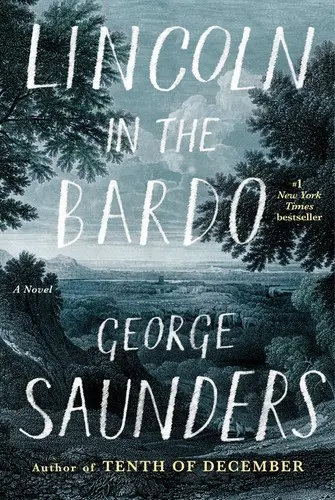
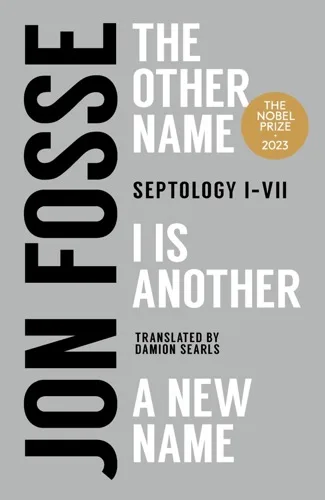
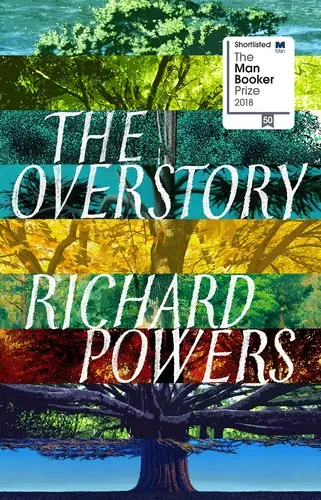
This wing is a bet. Nobody knows which of these will still be read in fifty years, and that makes it the liveliest room in the library. I can tell you The Overstory made a thousand readers plant trees and a thousand critics roll their eyes; that Lincoln in the Bardo should not work at all and does; that Normal People is either a masterpiece of intimacy or a very long text thread, depending on the week you ask me. One promise: nothing landed on this shelf for being talked about. It landed for surviving a second read. Come argue with the present. The past can wait; it has had practice.
After that opening the middle sags once the strands converge on activism. Readers say it runs well past what it needs, several calling it “300 pages too long,” with a twenty-two-hour audiobook cited as evidence. Nine viewpoints is more than most can track without notes. The message turns heavy-handed, readers complaining they got “hit over the head with this time and time again” rather than trusted to absorb the point. And characters who were vivid in their origin stories flatten into mouthpieces once the plot organises around the cause, becoming, as one reader puts it, “more symbolic than human.”
— against The Overstory
Rooney runs all dialogue without quotation marks, and readers report real trouble telling speech from narration, some quitting inside thirty pages over it, one admitting flatly, “Hated it when Cormac McCarthy used it, hate it now.” The relationship is called static rather than developing, the same coming-together and pulling-apart cycling for years without building. Both leads are chronically unable to say what they mean, which reads as an authorial device propping up conflict, prompting one exasperated reader to demand, “Connell, you are such an incompetent communicator.” Readers arriving on the reputation report the experience undershooting it, one going further and calling the missing punctuation “intentional. Absolutely unforgivable.” And ordinary domestic description, making a cup of tea, gets called padding.
— against Normal People
No plot and no character development in any conventional sense is the complaint that recurs most, fragments standing in for a story. The collage chapters that admirers call daring read to detractors as “a patchwork quilt of musings, transcripts, obituaries and purgatorial grumblings,” a gimmick rather than a structure. One ghost’s escalating physical deformities tip from poignant into ridiculous, one reader dismissing them outright: “Bevins’ ever growing number of appendages were just too ridiculous.” The citation tags break flow, worst on audio, one reader comparing the experience to “wading through footnotes.” And one reader who had lost a child found the bickering-ghost comedy tasteless beside the real grief.
— against Lincoln in the Bardo
These 97 works open with Pro.