Drama
The stage, the monologue, the exit. Sophocles to Suzan-Lori Parks.
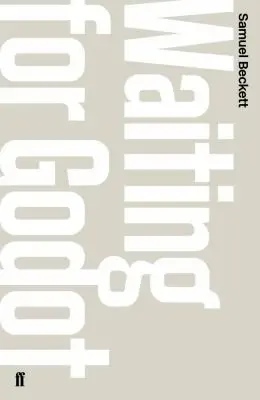
Everything here was built to be said aloud, which is why it reads faster than anything else in the library and lands harder. Hamlet is four hours of a man deciding; audiences have argued about the decision for four hundred years. Lear is what the form can do when it stops being polite. And Godot (two tramps, one tree, nothing happens, twice) rearranged the whole theater with a shrug. Read plays in one sitting, the way you would sit in a house. The Greeks knew something we keep forgetting: catharsis is not comfort. You leave these lighter because they took something out of you.
Hamlet’s delay is the single loudest complaint among unhappy readers, and plenty flatly reject the tragic-hesitation defense. “His inaction defines him as a tragic character,” runs the standard line, and one reviewer answers that “Hamlet is one of the most idiotic and self-obsessed characters in creation.” Another says flatly, “Hamlet just infuriates me far too much,” and never comes around to the usual defense. Early Modern English compounds the trouble: several readers say they needed an annotated edition just to follow the dialogue, and reading the text cold, without ever having seen a production, leaves the play dragging on the page. A weak or miscast staging can sink even a reader who likes the text going in, which puts real weight on which film you land on first, Branagh’s uncut four hours or Zeffirelli’s trimmed, more accessible cut.
— against Hamlet
Waiting for Godot is a script written for the stage, and reading it on the page strips out the silences and timing that carry a lot of the actual comedy, so the printed text undersells what a live production delivers. One unconvinced reader calls the experience “excruciating to read; it is completely awful in parts and frustrating” rather than simply cool and detached. Another sums up the whole encounter flatly: “I don’t really like Godot nor enjoy it,” and a third concedes the reputation while opting out anyway, admitting “I honestly don’t think I could sit through a production of this.” Lucky’s monologue is exactly where some readers say the page loses them, a dense block of academic-sounding nonsense with no throughline to hold onto, against the readers who call it a virtuoso set piece. One reviewer had already conceded the argument upfront, writing plainly, “Plays are written to be watched, not read.”
— against Waiting for Godot
Taken in cold, without a staging to picture, several readers say the pressure the play depends on simply doesn't build, calling the text flat or unmemorable compared to what a live production delivers. Stanley draws the sharpest split: some find him a bully with no redeeming shading, one writing plainly, “I couldn't abide Stanley. He's a brute and a bully,” which flattens the conflict into cruelty rather than tragedy for them. Others argue the sexual politics have aged badly rather than merely reflecting their period, and one reviewer calls it “a morbid play, which in my opinion didn't age well.” A high-profile modernized Broadway revival drew its own backlash, with one critic blaming “thrash-metal sound cues, modern appliances and overdone erotics” for burying Williams's text under directorial excess and stretching the runtime past three and a half hours.
— against A Streetcar Named Desire
These 49 works open with Pro.