The Last Book Shelf
Download

The Maker's Eye

"What does it actually take to make a sentence, an essay, a life on the page?"

Craft books split into two kinds: the rulebook that fits on an index card, and the writer's confession that the rules never quite held. This path runs both. Rilke opens with the only real question, whether you must; Orwell insists the sentence is a moral act; Lopate traces the essay back through Montaigne and Hazlitt, and Woolf names the locked door and the missing money. Then Berger turns the eye loose before any word arrives, Auden talks shop the way only a poet can, and Malcolm, Jamison, and Chee drag the writing life into the light with its lies and its second drafts still showing.

9 books~23 weeksModerate
1
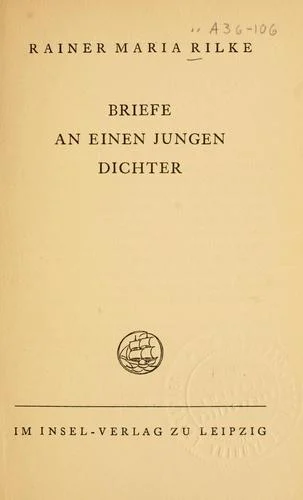
Letters to a Young Poet
Rainer Maria Rilke · 1929

Ten letters, 1903 to 1908, from Rilke to Franz Xaver Kappus, a nineteen-year-old military cadet who wrote to ask whether his poems were any good. Rilke never quite answers; instead: go into yourself, love your solitude, be patient with everything unsolved. Kappus published the letters in 1929, three years after Rilke's death. It has been pressed into more young hands than any book of its kind, and the fourth letter's 'live the questions' may be the most useful advice a stranger ever mailed to another.

2
"Politics and the English Language"
George Orwell · 1946

The definitive essay on clear writing and political prose. Every journalist and every writer should read it. "Never use a long word where a short one will do." Still the best writing manual ever written.

3
The Art of the Personal Essay
Phillip Lopate · 1994

The definitive anthology spanning Seneca to the present. Lopate's introductions are themselves masterworks of the form.

4
A Room of One's Own
A Room of One's Own
Virginia Woolf · 1929

The most important feminist essay of the 20th century and a formal masterpiece: an argument delivered through narrative, digression, and invention (Judith Shakespeare). Changed what essays could do politically.

5
Ways of Seeing
Ways of Seeing
John Berger · 1972

Berger's radical rethinking of how we look at art challenged the mystification of art history and opened visual culture to democratic interpretation. Originating as a 1972 BBC series, it remains the most taught art criticism text in universities worldwide. His essay on the male gaze presaged feminist theory by decades.

6
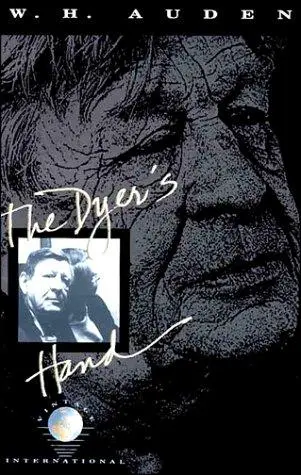
The Dyer's Hand
The Dyer's Hand
W.H. Auden · 1962

Auden's essays are the most intellectually pleasurable in the language: wide-ranging, aphoristic, opinionated, learned without pedantry. He writes on Shakespeare, Yeats, Kierkegaard, opera, detective fiction. The educated reader's delight.

7
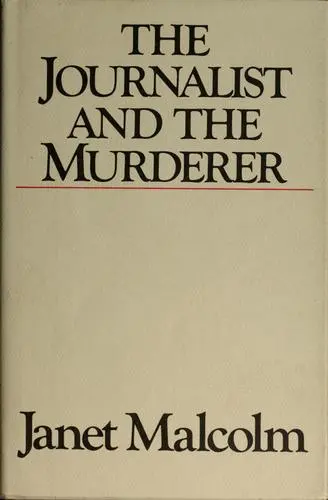
The Journalist and the Murderer
Janet Malcolm · 1990

Opens with one of the great opening sentences: "Every journalist who is not too stupid or too full of himself to notice what is going on knows that what he does is morally indefensible." An essay about the ethics of journalism that uses a specific case to argue a universal point.

8
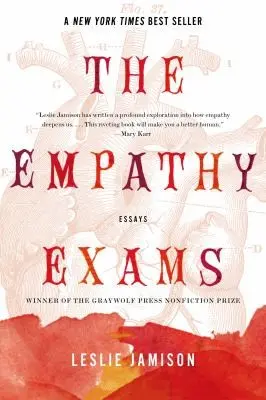
The Empathy Exams
The Empathy Exams
Leslie Jamison · 2014

The debut that announced the new essay renaissance of the 2010s. Personal essays about pain and the medical industry that were formally daring and emotionally precise. Jamison turns the self's most uncomfortable territories into investigation.

9
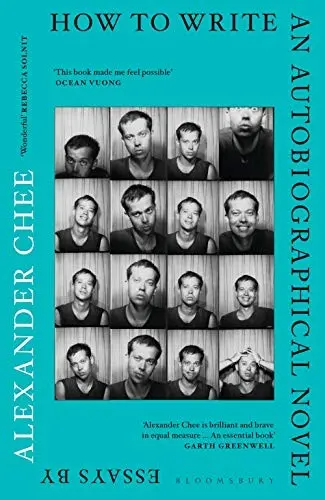
How to Write an Autobiographical Novel
Alexander Chee · 2018

Chee writes essays on craft, identity, AIDS, and becoming a writer. Makes the personal essay feel vital.

Unlock Reading Paths
Guided routes through the canon — five to nine books in the right order, each path built to answer one question.
Part of Last Book Shelf Pro
Back to Home