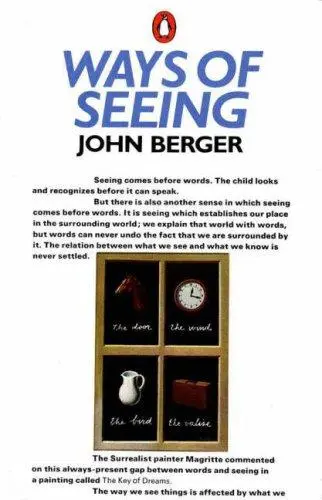
Ways of Seeing
Berger's radical rethinking of how we look at art challenged the mystification of art history and opened visual culture to democratic interpretation. Originating as a 1972 BBC series, it remains the most taught art criticism text in universities worldwide. His essay on the male gaze presaged feminist theory by decades.
The oil-painting essay on property and possession draws the sharpest pushback as the collection's most reductive chapter, flattening a whole tradition into a single claim about displaying wealth, and reviewers say Berger's habit of asserting sweeping claims without evidence carries into the gender argument too. Multiple readers call the analysis “critical theory for high-school readers,” and the gender chapter specifically draws a charge of being “extremely narrow in scope, and quite harmful” rather than attentive to how the claim varies by painter or period. A few of the harshest reviews call the tone itself “complacent intellectual smugness,” and at least one wishes it had simply stayed pictures: “This should've been a coffee table book.” Every printing renders the discussed paintings in small black-and-white images regardless of the original's color, a flaw readers raise no matter which side of the argument they land on.
The case for it and the rest of the canon open with Pro.