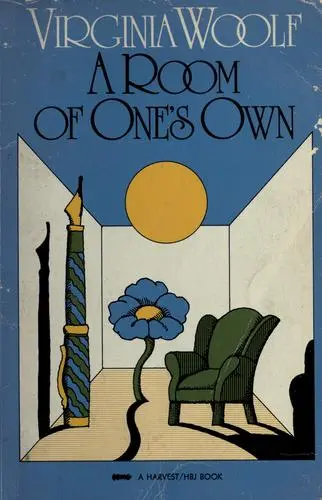
A Room of One's Own
The most important feminist essay of the 20th century and a formal masterpiece: an argument delivered through narrative, digression, and invention (Judith Shakespeare). Changed what essays could do politically.
The sharpest modern complaint is classism: Woolf writes about the woman “of genius” who already has money and a room, and has little to say about women with neither, an irony some readers connect straight back to how she treated her own household. “Of course she was terrible to her servants,” one notes, pointing to an “Astounding disdain for the plight of anyone outside her narrow demographic” running under the feminism. Because the book started as two spoken lectures, long stretches run as unbroken argument without chapter breaks, and readers who find the pace tiresome say it plainly: “Fascinating and influential feminist theories but slow and tiresome.” A separate charge lands from the other direction, that Woolf's whole framework treats art as something only the comfortable get to make: “Art is for the elite of the bourgeois.”
The case for it and the rest of the canon open with Pro.