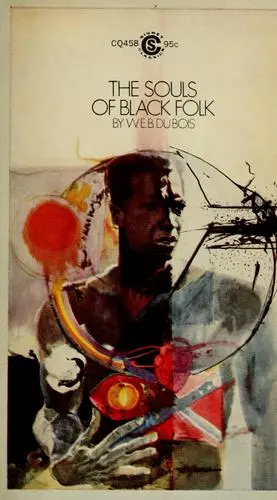
The Souls of Black Folk
The founding text of African-American intellectual life. Du Bois names the color line and double consciousness. Published in 1903, still unanswered.
The prose draws real resistance: readers call it “pedantic, overly verbose, & intellectualized,” and elsewhere flatly “stilted, pedantic, and flowery,” reading it as Du Bois performing his Harvard education, one saying it “sounded like he was writing to impress 'white folk'” rather than writing plainly. Archaic diction and an untranslated German epigraph create real friction for modern readers, and the book's register shifts hard partway through, from cold analytical sociology to something gentler and more personal. The Talented Tenth framework and the chapters on formal education draw complaints of classism, sorting the educated from the masses in ways that read as elitist today. Antisemitic asides in the middle chapters are a genuine defect Du Bois himself later acknowledged, and one reviewer wraps up the letdown bluntly: it “left me feeling bereft of feelings” rather than moved.
The case for it and the rest of the canon open with Pro.