The Last Book Shelf
Download
Reading Paths

The Existentialist Path

"What does it mean to choose your own life?"

A descent into the great question of freedom. From Kierkegaard's leap of faith to Sartre's radical responsibility, these books ask you to face existence without excuses. Fiction and philosophy alternate — because sometimes a novel gets closer to truth than any argument.

9 books~50 weeksDemanding
1
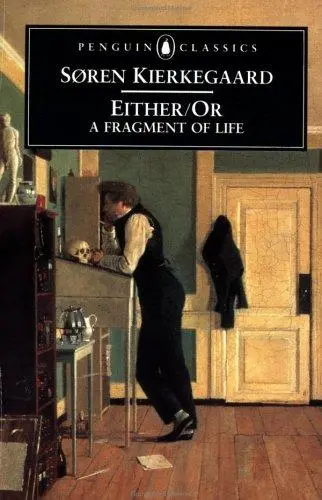
Either/Or
Either/Or
Søren Kierkegaard · 1843

The aesthetic life versus the ethical life. Kierkegaard stages the conflict through pseudonyms, letters, and the seducer's diary. Philosophy performed as literature, the first existentialist text, a devastating portrait of what it means to live without commitment. 'The most common form of despair is not being who you are.' Published under a fake name, because of course it was.

2
Fear and Trembling
Fear and Trembling
Søren Kierkegaard · 1843

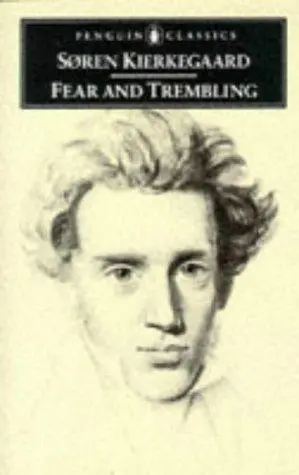
Abraham raises the knife over Isaac and philosophy breaks. Kierkegaard's meditation on faith as the 'teleological suspension of the ethical': the leap beyond reason, beyond universal morality, into the absolute relation with the absolute. The knight of faith walks among us looking ordinary. The knight of infinite resignation is easier to spot. You'll never read Genesis 22 the same way.

3
Thus Spoke Zarathustra
Friedrich Nietzsche · 1885

Philosophy as prophecy, as poetry, as fever dream. Zarathustra descends from his mountain to teach the Ubermensch, eternal recurrence, and the death of God. Nobody listens. The most literary philosophical work since Plato's dialogues. 'One must still have chaos in oneself to give birth to a dancing star.' Nietzsche considered it his masterpiece. He was right.

4
Nausea
Nausea
Jean-Paul Sartre · 1938

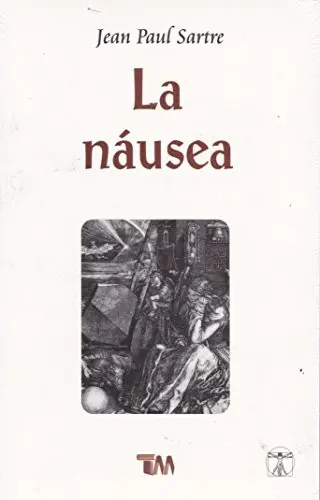
Antoine Roquentin's sudden, overwhelming awareness that existence is contingent, meaningless, and nauseating: that is Sartre's philosophy made visceral and personal. The chestnut tree scene remains the definitive literary evocation of existential vertigo. Published in 1938, it is the founding text of existentialist fiction.

5
The Stranger
The Stranger
Albert Camus · 1942

Meursault's flat affect in the face of a murder conviction and death sentence captures something genuinely unsettling about consciousness disconnected from meaning. Camus published it in 1942; Le Monde later ranked it first among the 100 greatest books of the 20th century. The purest literary expression of absurdism, and brief enough to read in a single afternoon.

6
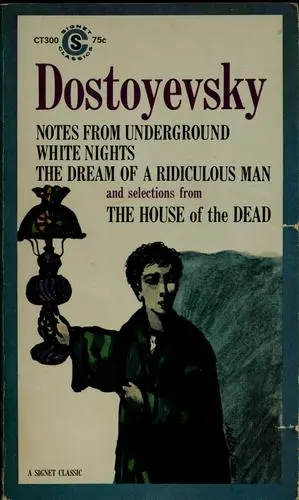
Notes from Underground
Fyodor Dostoyevsky · 1864

The angry monologue that launched existentialism. Dostoyevsky's Underground Man — bitter, self-aware, paralyzed by consciousness — rejects every rational system that promises happiness. Written as a rebuttal to utopian socialism, it became the template for every unreliable narrator and anti-hero who followed.

7
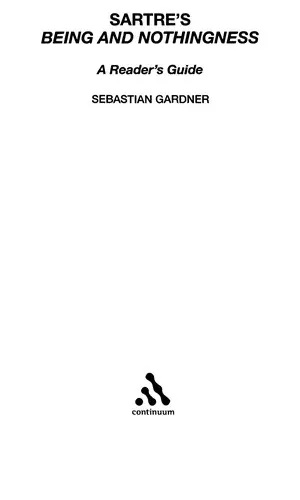
Being and Nothingness
Jean-Paul Sartre · 1943

Existence precedes essence: you are not born with a nature, you create one through choices. Sartre's analysis of consciousness, bad faith, the look of the Other, and radical freedom is existentialism's central philosophical statement. Written during the German Occupation, it's philosophy forged under pressure. 'Man is condemned to be free.' The waiter playing at being a waiter is everyone you've ever met.

8
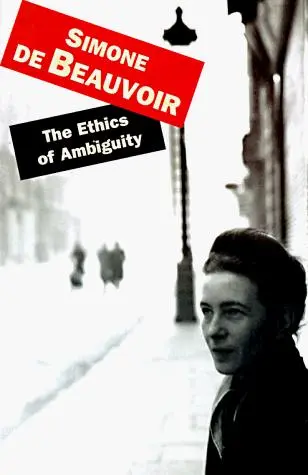
The Ethics of Ambiguity
Simone de Beauvoir · 1947

Where Sartre declared freedom and left you staring at the void, Beauvoir asks the harder question: what do you DO with that freedom? Her answer (an ethics built on ambiguity, on the recognition that my freedom depends on yours) is more rigorous and more humane than anything in Being and Nothingness. The chapter on the 'serious man' who hides from freedom behind fixed values is a devastating portrait of most adults.

9
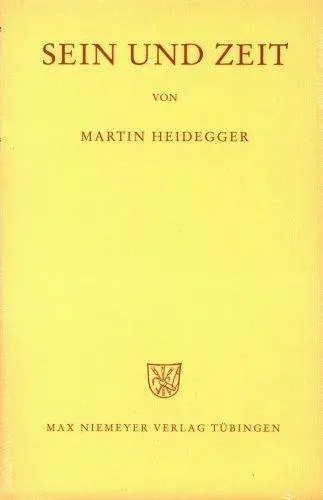
Being and Time
Being and Time
Martin Heidegger · 1927

What does it mean to be? Not 'What exists?' but 'What is Being itself?' Heidegger's analysis of Dasein (being-there, thrown into a world, anxious before death, lost in the They) is the most original ontology since Aristotle. The language is notoriously difficult; Heidegger invented half his vocabulary. But his account of being-toward-death as the condition of genuine living is permanently important.