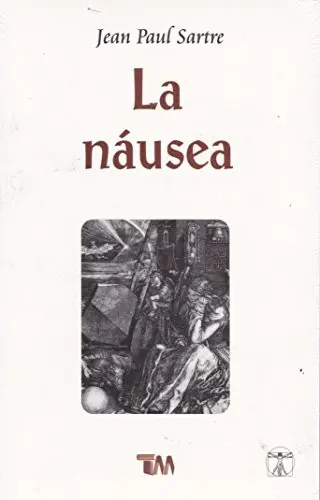
Nausea
Antoine Roquentin's sudden, overwhelming awareness that existence is contingent, meaningless, and nauseating: that is Sartre's philosophy made visceral and personal. The chestnut tree scene remains the definitive literary evocation of existential vertigo. Published in 1938, it is the founding text of existentialist fiction.
The diary form lets Sartre skip the work of a plot, readers argue, and what fills the pages instead is Roquentin walking around a provincial town, sitting in the library, and brooding about an ex. “Nothing fucking happens,” one reader reports. Roquentin himself is the harder problem, “an arrogant buffoon” living on inherited money with no job, whose freedom to wander and be disgusted strikes readers as a luxury rather than a condition. The nausea arrives as unmotivated panic rather than as something the argument earns. Several say you need Being and Nothingness open beside it, and readers who come to it after their twenties conclude “it’s frankly too late for this kind of malarkey.”
The case for it and the rest of the canon open with Pro.