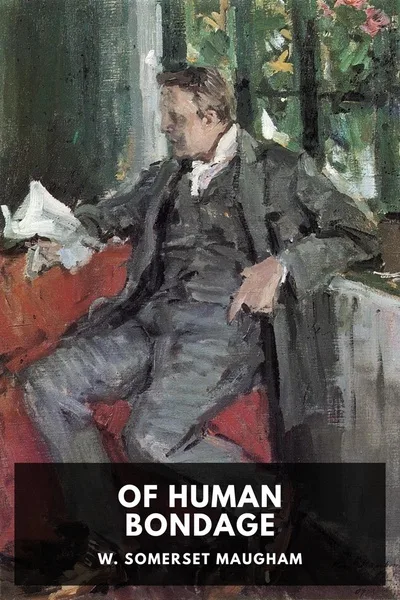
Of Human Bondage
W. Somerset Maugham · 1915
Maugham's largely autobiographical 1915 novel, the book that fixed his reputation and the one he called his greatest. It follows Philip Carey, an orphaned clubfooted boy, from a stifling vicarage through bohemian Paris to medical London and a ruinous obsession with the waitress Mildred. Theodore Dreiser hailed it on publication as a work of genius, and it endures as the model English Bildungsroman of disillusionment. The Modern Library ranked it among the century's hundred best novels, and its closing meditation on a meaningless life as a self-made pattern remains one of fiction's coldest, clearest consolations.
Literary Fiction · the Pro canon
The case for it and the rest of the canon open with Pro.
if this one calls to you, so will these →