The Last Book Shelf
Download

Reading for Someone Going Through Loss

"How do others carry grief?"

These books don't explain grief away — they sit with it. Some were written in the raw hours after loss; others across a lifetime of watching people die and live. They offer not comfort, exactly, but company. The rarest thing.

9 books~18 weeksModerate
1
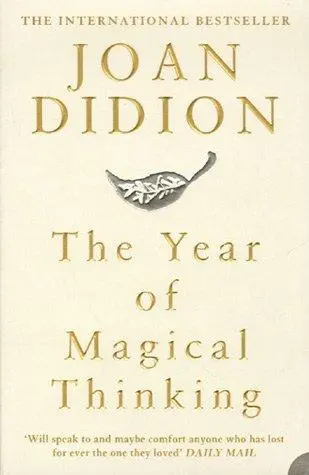
The Year of Magical Thinking
Joan Didion · 2005

Didion's husband died at the dinner table. Within the year her daughter would die too. She wrote about grief with the precision of a scientist and the rawness of a child, cataloguing the magical thinking the mind uses to resist the unacceptable. Changed what it is possible to write about loss.

2
Meditations
Meditations
Marcus Aurelius · 180

Private journal entries from the most powerful man in the world, written to himself during military campaigns on the Danube frontier. No audience, no performance. Just a Roman emperor trying to be a decent human being. Stoicism distilled to its essence: control what you can, accept what you can't, remember you're going to die. The original self-help book, except it actually works.

3
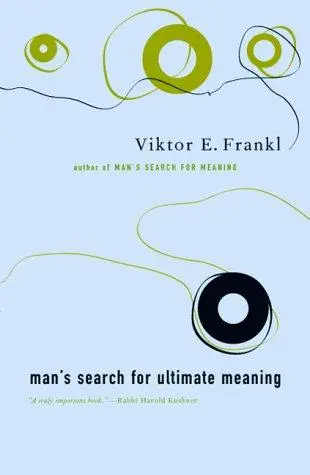
Man's Search for Meaning
Viktor Frankl · 1946

Frankl's memoir of surviving Auschwitz and his development of logotherapy — the idea that the primary human drive is not pleasure or power but meaning. What does this have to do with investing? Everything. Investors without a 'why' make worse decisions under pressure. Purpose is not just a philosophical luxury — it actually improves returns.

4
Night
Night
Elie Wiesel · 1960

Compressed to 120 pages of unbearable precision, Wiesel's account of Auschwitz and Buchenwald is among the most important documents of the 20th century. Its moral authority derives from its refusal of consolation; it records what was done, without flinching, without forgiveness.

5
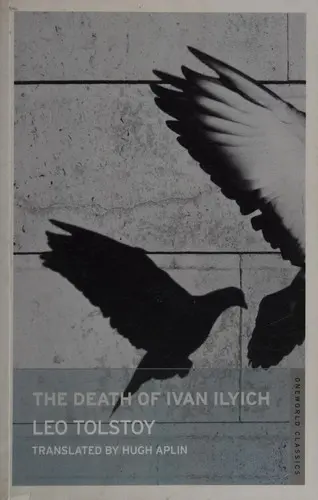
The Death of Ivan Ilyich
Leo Tolstoy · 1886

In 70 pages Tolstoy does what most writers cannot do in 700: he makes you feel what dying is actually like. Ivan Ilyich lived a perfectly ordinary, perfectly respectable life — and in the moment of death discovers it was all wrong. The most devastating novella in any language.

6
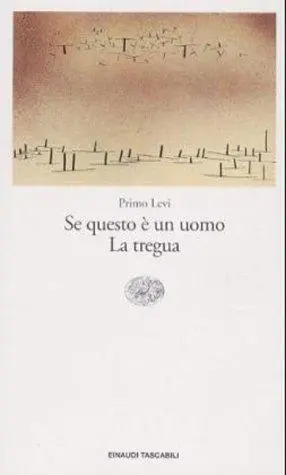
If This Is a Man
If This Is a Man
Primo Levi · 1947

Levi's clear-eyed, scientific, humane prose refuses both sentimentality and despair. He observes Auschwitz with the discipline of a chemist, and the horror is all the more complete for the restraint. Published in Italy in 1947, initially by a tiny press, it is the most important firsthand account of the Holocaust written as literature.

7
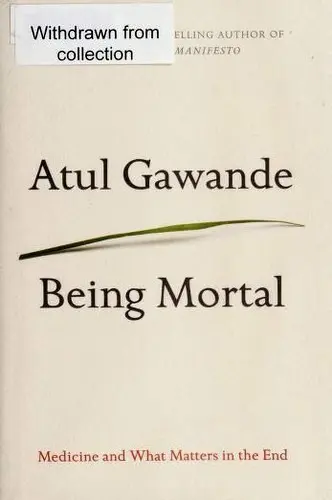
Being Mortal
Being Mortal
Atul Gawande · 2014

Gawande asks: what do we actually want at the end of life, and why has medicine become so bad at providing it? His investigation of aging, mortality, and the medical system's failure to honor what patients actually value is both a policy argument and a manual for dying with dignity. Changed hospital care conversations across America.

8
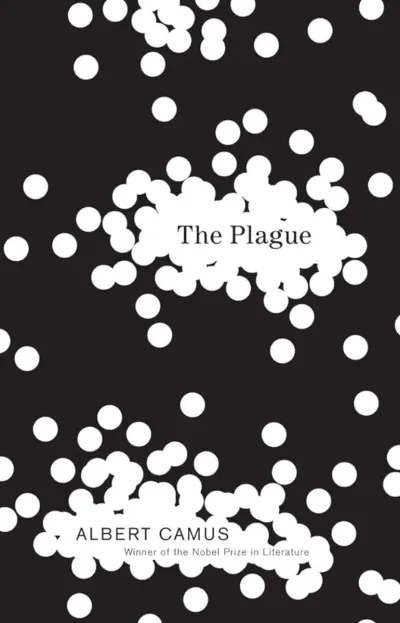
The Plague
The Plague
Albert Camus · 1947

Rieux's quiet refusal to stop helping people, even when help seems absurd, is the most compelling portrait of secular moral heroism in French fiction. Camus published his allegorical account of bubonic plague in Oran, Algeria, in 1947. It surged back to bestseller lists in 2020 during COVID. The relevance was unsurprising.

9
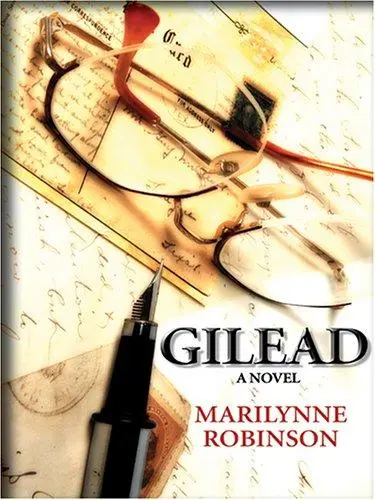
Gilead
Gilead
Marilynne Robinson · 2004

Letters from a dying Congregationalist minister to his young son. Robinson's 2004 novel is a rare thing: a genuinely theological American novel that earns its theology. The prose is luminous and meditative. The love it describes (for a son, for a life, for the light on a morning) is something fiction rarely achieves. Won the Pulitzer. Obama named it his favorite novel.

Unlock Reading Paths
This feature is available with Last Book Shelf Pro
Back to Home