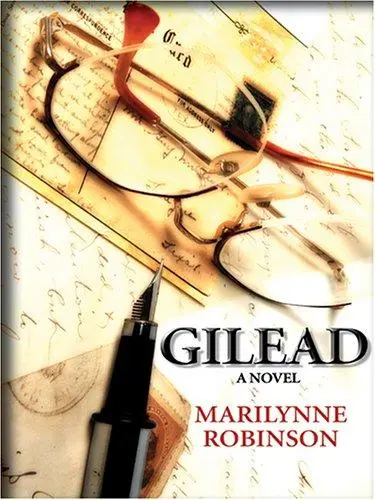
Gilead
Marilynne Robinson · 2004
Letters from a dying Congregationalist minister to his young son. Robinson's 2004 novel is a rare thing: a genuinely theological American novel that earns its theology. The prose is luminous and meditative. The love it describes (for a son, for a life, for the light on a morning) is something fiction rarely achieves. Won the Pulitzer. Obama named it his favorite novel.
Literary Fiction · the Pro canon
The case for it and the rest of the canon open with Pro.
if this one calls to you, so will these →