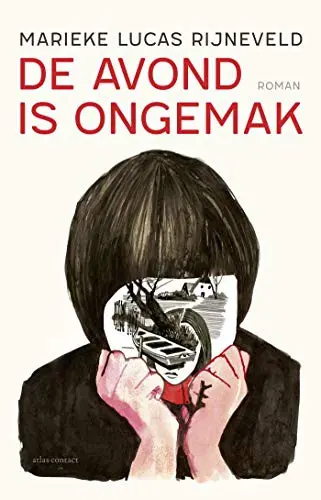
The Discomfort of Evening
A Dutch girl processes her brother's death in a rural Christian community through increasingly disturbing behavior. The debut winner of the International Booker Prize, and an unsettling, precisely imagined novel of grief and religious repression.
The taboo content never lets up: incest undertones, animal cruelty, a child’s own scatology, page after page functioning less like plot and more like a dare. One reader flatly summed up her limit: “Everything in this book either looks like Hitler, or a sphincter.” Another calls it “easily the most vile thing I’ve read,” and a third draws the line plainly: “You can only read so much about a child’s butthole.” The child narrator splits opinion too, some hearing an eight-year-old and others an adult author borrowing a kid’s mouth, breaking the illusion the book depends on. Readers drawn in by the Booker win report feeling blindsided by the hype once the taboo-heavy material actually lands on the page.
The case for it and the rest of the canon open with Pro.