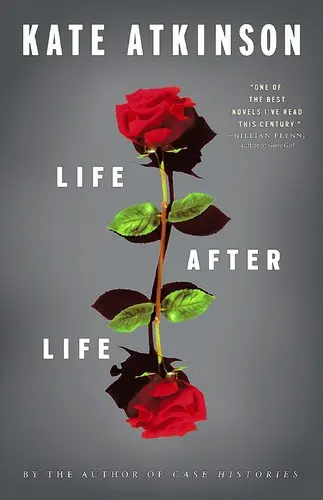
Life After Life
Ursula Todd is born in 1910, dies, and is born again. And again. Each life plays out differently; some end in childhood, one reaches Hitler's bunker. Atkinson uses the conceit not as sci-fi but as a way to write about fate, chance, and the weight of the twentieth century. The novel is compulsively readable in a way that serious fiction rarely bothers to be.
The repeating birth-and-death structure goes numb for a real share of readers well before the book’s midpoint, several saying outright “this bitch keeps on dropping dead and coming back again” until they lost track of which version of events they were even in. One reader compares the experience to “trying to jumpstart an old car which died,” and another admits being “ready to throw the book against the wall.” A further complaint holds Atkinson is a strong concept writer but a weaker character writer, with Ursula criticized as passive, defined by what happens to her rather than what she chooses. Even an admiring critic concedes it is “not quite the tour de force that Case Histories was.”
The case for it and the rest of the canon open with Pro.