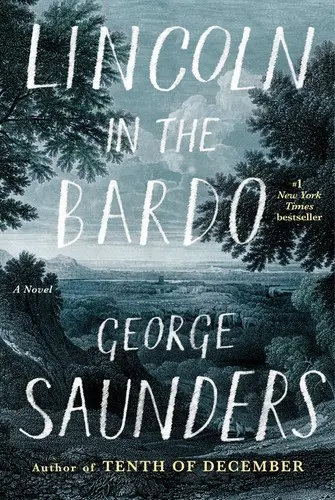
Lincoln in the Bardo
Saunders's debut novel arrived fully formed as something unprecedented: a chorus of ghosts annotating American grief in a polyphonic structure that shouldn't work but devastates. It proved that experimental form and emotional directness aren't opposites. It also felt written for the exact historical moment in which it appeared.
No plot and no character development in any conventional sense is the complaint that recurs most, fragments standing in for a story. The collage chapters that admirers call daring read to detractors as “a patchwork quilt of musings, transcripts, obituaries and purgatorial grumblings,” a gimmick rather than a structure. One ghost’s escalating physical deformities tip from poignant into ridiculous, one reader dismissing them outright: “Bevins’ ever growing number of appendages were just too ridiculous.” The citation tags break flow, worst on audio, one reader comparing the experience to “wading through footnotes.” And one reader who had lost a child found the bickering-ghost comedy tasteless beside the real grief.
The case for it and the rest of the canon open with Pro.