Klara and the Sun
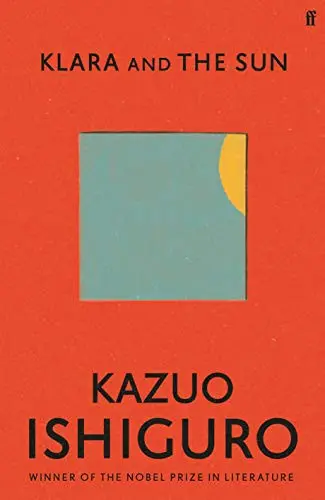
An artificial friend narrates her observations of human love and sacrifice with such gentle precision that the novel becomes, unexpectedly, a deeply moving exploration of consciousness and devotion. Ishiguro's post-Nobel novel. Immaculate.
Klara's flat, repetitive narration draws the sharpest pushback: readers describe short, staccato sentence patterns that read as dull rather than poignant, and several say it blunts the story's darker turns. One reviewer sums up the effect with the line repeated three times, “I did this. I did this. I did this.” Others find the world-building thin, with one calling the book “bootleg Westworld existentialist artificial robot praying to the sun”, and another arguing it “comes across as little but a humanoid teddy bear”. Pacing draws its own complaint too, the real plot not kicking in until close to the last fifth, and one reader concludes flatly, “this increasingly felt like sweet and sunny YA”.
The case for it and the rest of the canon open with Pro.