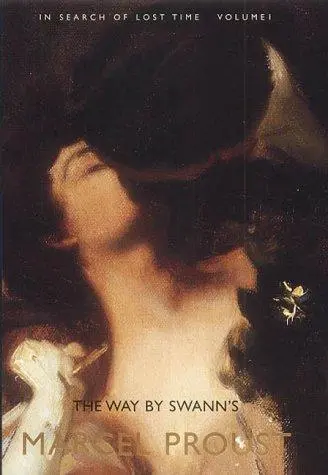
In Search of Lost Time
Decide its fate
The record
Time
An eveningA season4832 pages, about 97 hours: the length of 15.1 typical books on the shelf.
Getting in
Walk right inSteep climbTwo readers on one blog post stalled early in Swann’s Way, one at the madeleine passage and one a quarter through.
One of a kind
Others do thisNothing else doesA 2017 review compares it to Tolstoy and Austen but says compressing it would lose what makes it work.
The case for it
on Baron Charlus
“the suave amorality incarnated in (Proust’s most memorable monster) homosexual Baron Charlus”
Kirkus Reviews, 2004 on the sentences and paragraphs
“the precision and ornateness of Proust’s sentences and paragraphs, which contain whole worlds”
a book blog on Swann and Odette
“Mr. Swann’s relationship with Odette is by far the most intricate and interesting part”
two stars · a book blog on the grandmother
“I loved his grandmother in her contrariness and love”
a book blog
The case against
on the narrator
“He’s a conceited, insufferable little shit”
a book blog on the prose
“Labyrinthine prose with sentences so convoluted that I often had to read them repeatedly”
a book blog on the Combray section
“the Combray section goes on too long”
a Substack review on the madeleine
“The bit about the madeleines isn’t nearly as iconic as people suggest”
a book blog