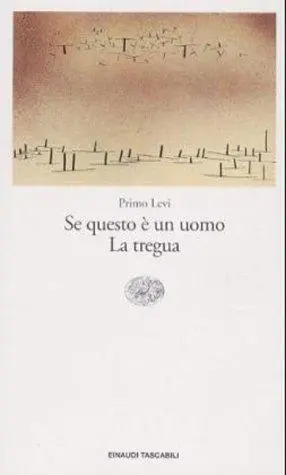
If This Is a Man
Levi's clear-eyed, scientific, humane prose refuses both sentimentality and despair. He observes Auschwitz with the discipline of a chemist, and the horror is all the more complete for the restraint. Published in Italy in 1947, initially by a tiny press, it is the most important firsthand account of the Holocaust written as literature.
The detachment others praise is exactly what some find confusing and tedious, unable to reconcile the material with the restraint or to connect emotionally. A reluctant-reader pattern recurs: high ratings out of respect, paired with saying plainly “I wouldn't want to read it again.” Readers arriving from Anne Frank or Wiesel expecting emotional immediacy find the analytical remove alienating rather than illuminating. And the non-chronological ordering, arranged by urgency rather than sequence, reads as disorienting to some.
The case for it and the rest of the canon open with Pro.