The Last Book Shelf
Download
Reading Paths

The Detective as Metaphysician

"When a crime is solved, what is it that we actually come to know?"

Every detective story is an epistemology problem wearing a corpse. These nine run that problem to its end. Oedipus tracks a killer and finds himself; Akutagawa's "In a Grove" gives you seven sworn accounts of one murder and no truth underneath; Christie lets the narrator do the killing, which forces the question of who gets to tell the story at all. Hammett's falcon turns out to be lead, Jim Thompson hands the confession straight to the murderer, and by the time you reach Dostoyevsky's conscience, Eco's monk misreading every sign, and McCarthy's sheriff who simply cannot grasp what he is chasing, whodunit has curdled into whether knowing is even possible.

9 books~26 weeksDemanding
1
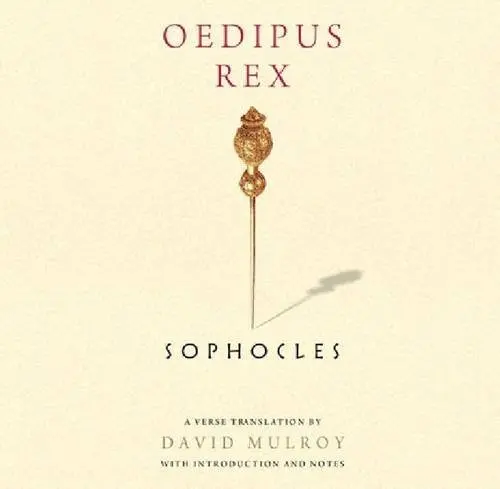
Oedipus Rex
Oedipus Rex
Sophocles · -429

The play that invented dramatic irony. Oedipus hunts for the source of Thebes' plague and discovers he is both detective and criminal. Aristotle used it as the gold standard for tragedy in the Poetics, and twenty-four centuries later nobody has written a tighter plot.

2
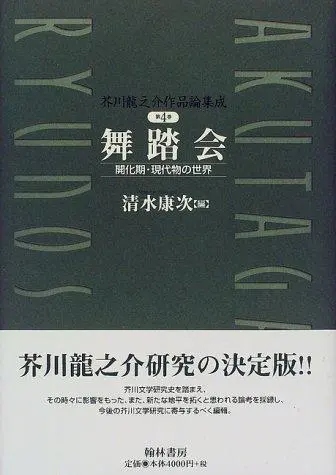
Akutagawa's Rashomon and Other Stories
Ryūnosuke Akutagawa · 1915

Akutagawa essentially invented modern Japanese short fiction. His psychologically complex, formally inventive stories established the tradition that runs through Kawabata, Mishima, and Murakami. "Rashomon" and "In a Grove" (the basis for Kurosawa's 1950 film) are essential.

3
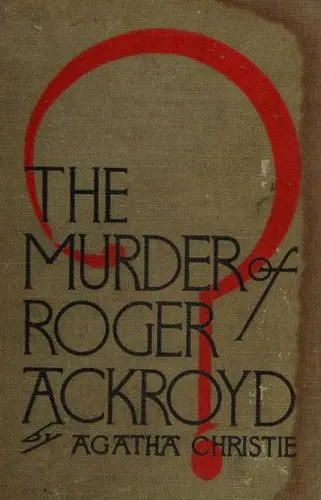
The Murder of Roger Ackroyd
Agatha Christie · 1926

Christie's most controversial and influential novel, the one where she broke the rules and got away with it. The twist ending remains among the most debated in all fiction; its audacity forced critics to reconsider what detective fiction could do. P.D. James called it "the supreme example of Christie's ability to play fair while misleading the reader."

4
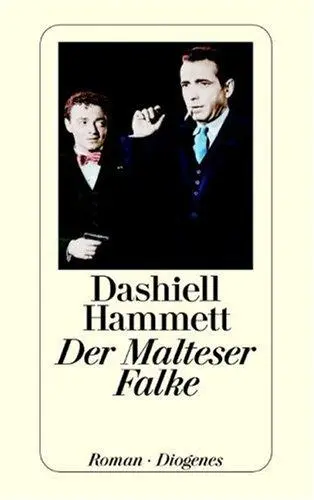
The Maltese Falcon
The Maltese Falcon
Dashiell Hammett · 1930

The founding document of hard-boiled crime fiction. Sam Spade defined the archetype: morally ambiguous, laconic, street-smart. Hammett's prose, stripped of sentiment and alive with menace, invented a new American idiom. The novel asks what loyalty and ethics mean in a corrupt world and provides no comfortable answer.

5
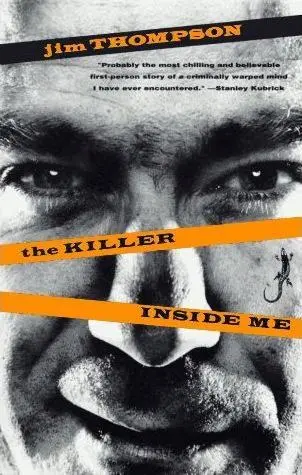
The Killer Inside Me
Jim Thompson · 1952

Small-town Texas deputy Lou Ford is, behind his folksy manner, a sociopathic killer. Thompson narrates from inside the killer's consciousness with complete fidelity: no moral distancing, no authorial judgment. The reader is trapped in the murderer's head. Stanley Kubrick called Thompson the greatest novelist in America.

6
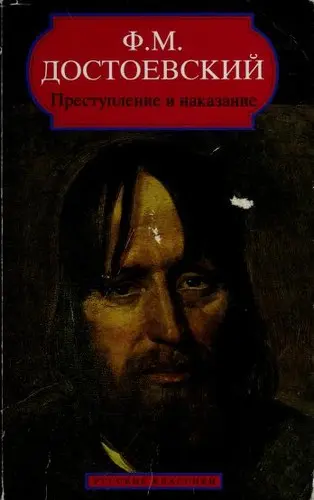
Crime and Punishment
Fyodor Dostoyevsky · 1866

Raskolnikov's mind is the first truly modern interior in fiction: guilty, rationalizing, disintegrating. Dostoyevsky invented psychological interiority here. The novel remains among the most taught and most debated works in world literature because its central question (can a superior man justify murder?) never stops being urgent.

7
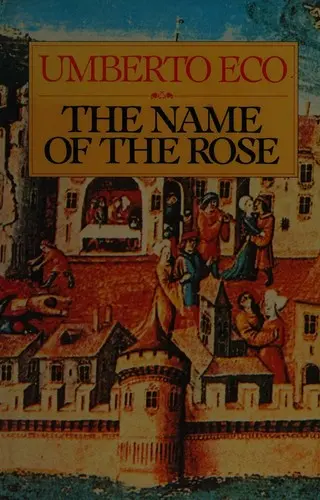
The Name of the Rose
Umberto Eco · 1980

A medieval monastery, a series of murders, a Sherlock Holmes-like friar named William of Baskerville. Eco's postmodern puzzle works simultaneously as whodunit, philosophical treatise on semiotics, and meditation on heresy. Sold 50 million copies worldwide, and for good reason: no crime novel since has been this intellectually ambitious or this genuinely pleasurable.

8
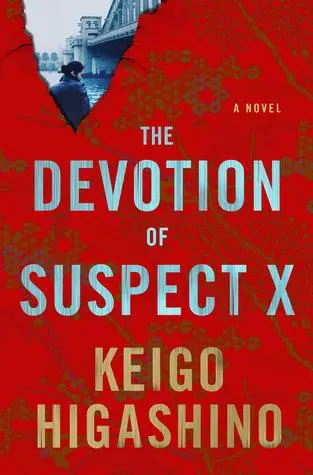
The Devotion of Suspect X (容疑者Xの献身)
Keigo Higashino · 2005

An inverted mystery of mathematical perfection. We know who committed the crime; the genius is watching the killer create an alibi so elaborate that detective Galileo must solve a completely different crime to crack it. Higashino brought the Japanese honkaku mystery tradition into the 21st century. The Galileo series is Japan's best-selling crime series, and the 2012 Edgar shortlist marked its Western breakthrough.

9
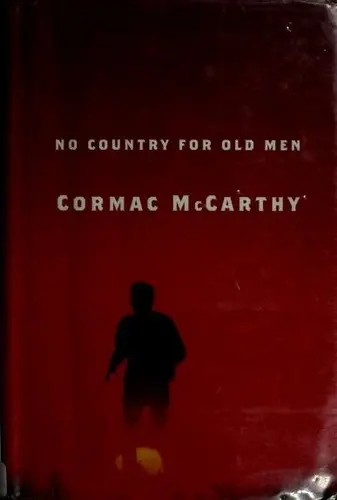
No Country for Old Men
Cormac McCarthy · 2005

A bag of drug money, an implacable killer (Anton Chigurh, whose coin-flip nihilism is among literature's great villains), and a sheriff too old for the new violence. Technically a thriller; philosophically a meditation on evil, fate, and the entropy of American civilization. The Coen Brothers' adaptation is a masterpiece; the novel is bleaker and more mysterious.