The Last Book Shelf
Download

Power & Persuasion

"How does power actually work?"

Power doesn't announce itself. These books trace its mechanisms — through prisons, panopticons, manifestos, and the structures of ordinary institutions. From Machiavelli's cold-eyed realism to Foucault's archaeology of control, this path makes the invisible visible.

8 books~30 weeksDemanding
1

The Prince
The Prince
Niccolò Machiavelli · 1532

The first work of modern political theory, and still the most honest. Machiavelli stripped away Christian moralizing to describe how power actually works: rulers must be both lion and fox, appearances matter more than virtue, good results sometimes require bad means. Every political actor since has had to reckon with it.

2
Leviathan
Leviathan
Thomas Hobbes · 1651

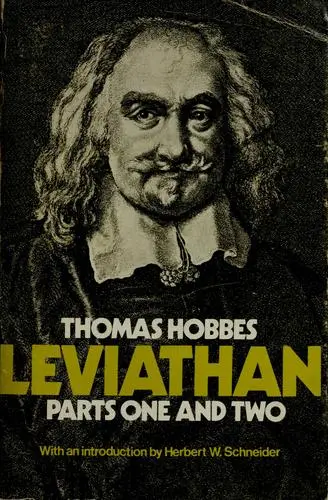
In the state of nature, life is 'solitary, poor, nasty, brutish, and short.' Hobbes' solution: surrender your freedom to an absolute sovereign. Written during the English Civil War in 1651, it became the founding text of social contract theory and modern political philosophy. His materialist psychology (we're all just matter in motion, pursuing desire and fleeing aversion) anticipated cognitive science by 350 years.

3
The Communist Manifesto
Karl Marx & Friedrich Engels · 1848

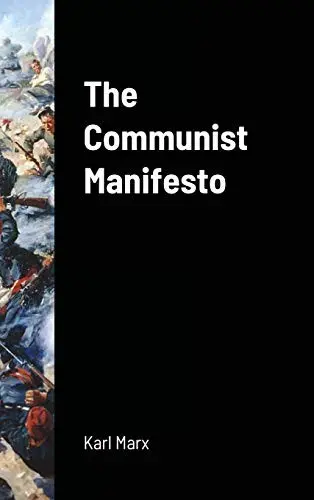
Forty pages that shook the world. 'The history of all hitherto existing society is the history of class struggles.' You don't have to be a Marxist to recognize that this 1848 pamphlet diagnosed capitalism's contradictions with surgical precision. The prose is electric; Marx was a better writer than most novelists. Whether his solutions worked is a separate question from whether his analysis was right.

4
The Human Condition
The Human Condition
Hannah Arendt · 1958

Arendt's distinction between labor (biological survival), work (building a durable world), and action (political life among equals) is the most illuminating framework for understanding what we do and why. Her defense of the public realm, of plurality, of the human capacity to begin something new ('natality') stands as a powerful counter to both totalitarianism and the creeping privatization of existence.

5
Discipline and Punish
Michel Foucault · 1975

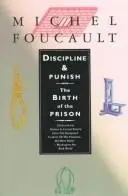
The Panopticon isn't just a prison design. Foucault traces how punishment evolved from public torture to invisible surveillance, and in doing so reveals how power operates not through violence but through normalization. Schools, hospitals, factories: all panoptic. You're being watched, and worse, you've learned to watch yourself.

6
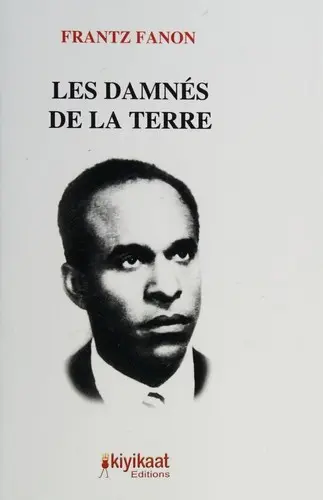
The Wretched of the Earth
Frantz Fanon · 1961

Written while Fanon was dying of leukemia during the Algerian revolution. Philosophy as emergency dispatch. His analysis of colonial violence, the psychology of oppression, and the necessity of decolonization is unflinching. Sartre wrote the preface. The chapter on violence remains the most controversial and most honest assessment of what colonial liberation actually requires. Essential, uncomfortable, permanent.

7
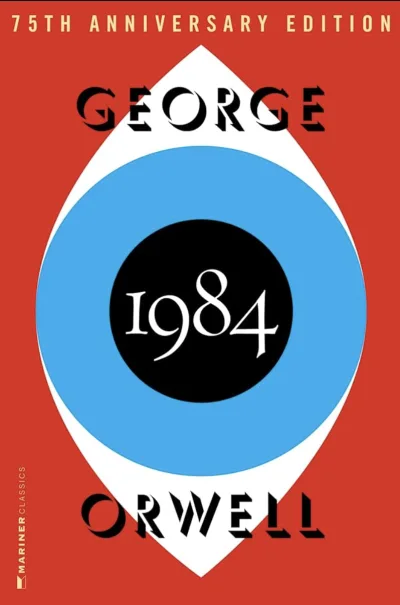
1984
1984
George Orwell · 1949

The definitive dystopia. "Big Brother," "doublethink," "Room 101," "thoughtcrime": Orwell's vocabulary has become the vocabulary of political resistance. More taught and more read than any other speculative fiction in universities worldwide.

8
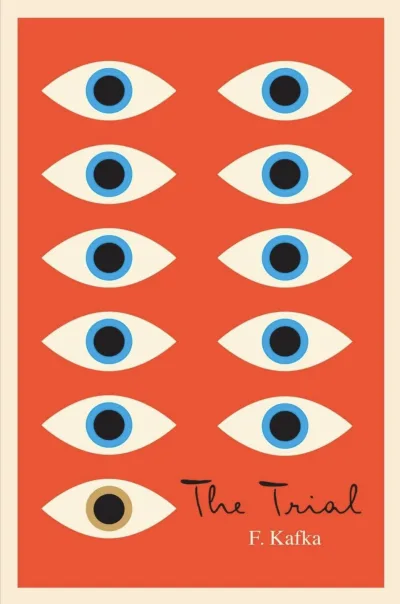
The Trial
The Trial
Franz Kafka · 1925

Kafka invented a mode of reality that now bears his name. The nightmare that looks like bureaucracy; the system that condemns without explanation. Every modern anxiety about power, legibility, and being trapped in a process you cannot understand: Kafka got there first, in 1925, writing in German in Prague.

Unlock Reading Paths
This feature is available with Last Book Shelf Pro
Back to Home