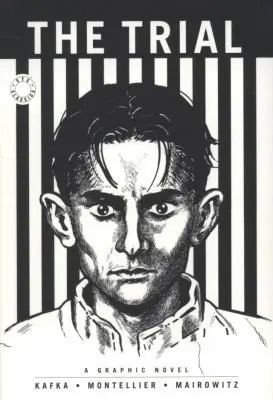
The Trial
Decide its fate
The record
Time
An eveningA season340 pages, about 7 hours: about the length of a typical book on the shelf.
Getting in
Walk right inSteep climbJosef K. is arrested in his rented room on the morning of his thirtieth birthday while two warders eat his breakfast.
What it gives
Plot and actionIdeas to live byIn 10 reviews from critics and book blogs, 2 credit the plot and 10 credit the ideas or a change in how they live.
One of a kind
Others do thisNothing else doesTwo reviewers call Kafka’s own Metamorphosis shorter, but the shelf only has The Complete Stories at 502 pages.
The case for it
on the doorkeeper story
“I thought the doorkeeper story within the story maybe was the most interesting.”
a book blog on the pace
“makes this story about a bank clerk navigating bureaucracy into an electrifying page-turner”
Benjamin Winterhalter · JSTOR Daily, 2019 on the atmosphere
“despairing comedy and aura of unspecific menace”
Kirkus Reviews, 1998 on the absurd humour
“The Trial is full of such absurd humour, trompe l’oeil effects, and manipulations of scale.”
Anthony Macris · The Conversation, 2025
The case against
on page 167
“I managed to make it 167 pages in.”
one star · a book blog on the digressions
“overflowing with details, dialogues, and digressions that lead nowhere”
a Substack review on the long conversations
“Later in the novel we endure long conversations seemingly loaded with irrelevant information.”
a book blog on the prose blocks
“These great blocks of solid text make Kafka’s prose rather hard going.”
a book blog