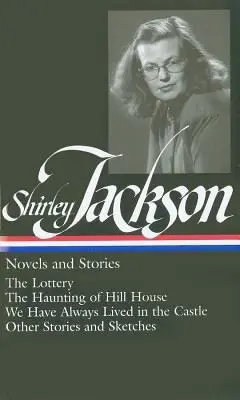
The Lottery and Other Stories
"The Lottery" is the most famous short story published in The New Yorker. Readers canceled subscriptions, sent hate mail, demanded explanations. Jackson's American Gothic vision anticipated the anxieties of conformity and collective violence that would define the Cold War era.
Jackson's restraint is the whole case for her, and also the whole complaint: a story ends and a reader genuinely can't say what just happened, or what the point of it was. Some readers reject the horror label outright, saying “I am not persuaded any of these qualify as horror” and that the effect lands closer to mild unease than fear, one admitting “I can never really 'see' the horror either.” A few say they needed “having to read with a wiki” just to parse the quieter, more oblique entries in the book's middle stretch. Specific stories get singled out as filler: The Dummy, Trial by Combat, and After You, My Dear Alphonse draw the most skepticism, and the domestic anxieties running through several stories read as dated to some.
The case for it and the rest of the canon open with Pro.