The Last Book Shelf
Download
the canon
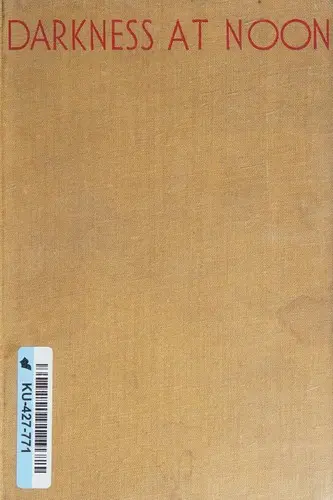
Cover of Darkness at Noon by Arthur Koestler

Darkness at Noon

Arthur Koestler · 1940

How a true believer in the revolution is brought to confess to crimes he did not commit. Koestler's 1940 novel about Stalinist show trials stages a great philosophical confrontation: the logic of the party versus the last gasp of individual conscience. Rubashov's interrogation scenes rank among the finest dialogue in 20th-century fiction. Modern Library placed it eighth.

The case against

“As a novel it is almost motionless,” one critic observed, and readers agree the cast is small, the room is one cell, and the action is argument. Rubashov’s own essay on where the Revolution went wrong is the stretch even admirers admit to skimming. The historical objection is heavier: Koestler stages the false confessions as philosophical persuasion when sleep deprivation and threats to families did most of the actual work, which is why one reader files the book as “agitprop.” The Comintern vocabulary has receded, and “Marxism today seems distant and quaint” to readers meeting it now. Sympathy is also asked for a man who sent colleagues to their deaths.

Literary Fiction · the Pro canon

The case for it and the rest of the canon open with Pro.

if this one calls to you, so will these →