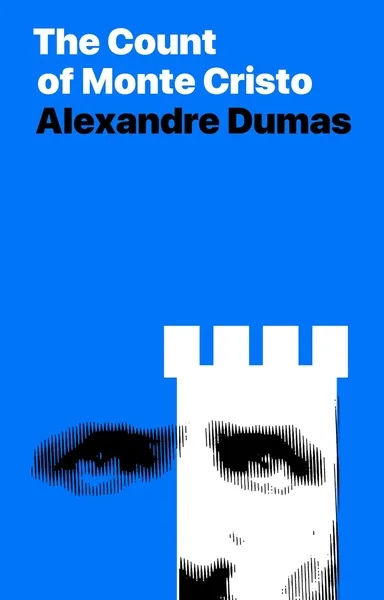
The Count of Monte Cristo
Decide its fate
The record
Time
An eveningA season1240 pages, about 25 hours: the length of 3.9 typical books on the shelf.
Getting in
Walk right inSteep climbTwo readers report a slow stretch in the first 200 to 300 pages, before the Paris revenge plot begins.
What it gives
Plot and actionIdeas to live byIn 10 reviews from critics and book blogs, 6 credit the plot and 7 credit the ideas or a change in how they live.
One of a kind
Others do thisNothing else doesOne blog likens its crowd of characters to Les Misérables, and another calls it Agatha Christie before Agatha Christie.
The case for it
on the early chapters
“Dumas approaches perhaps nearest of any modern to these Arabian authors in the purely material charm of some of his romances. The early part of Monte Cristo, down to the finding of the treasure, is a piece of perfect story-telling; the man never breathed who shared these moving incidents without a tremor; and yet Faria is a thing of packthread and Dantes little more than a name.”
Robert Louis Stevenson · 'A Gossip on Romance,' in Memories and Portraits, 1887 on the escape
“his own plans for escape, Edmund is able to flee his cell.”
four stars · a book blog on Abbé Faria
“The Catholic figure Faria is one of the great teacher images in all of literature.”
a Substack review on the length
“the longest book I’ve ever read, coming in at 1,276 pages”
four stars · a book blog
The case against
on the Roman bandits
“I admit to skimming the pages relating to the bandit Luigi Vampa”
a book blog on the first 300 pages
“it takes 300 pages before the main story starts”
a book blog on the Count’s spending
“the Count spent his money so unbelievably lavishly it gave me anxiety”
a book blog on the cast
“complete with a main character map, to keep everyone straight”
a Substack review