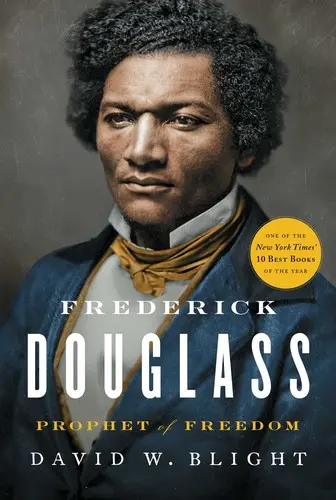
Frederick Douglass: Prophet of Freedom
Blight spent a decade writing the definitive biography of Douglass, working through private collections and forgotten archives to produce a portrait of the most important Black American of the nineteenth century. It won the Pulitzer. What separates it from earlier biographies is Blight's refusal to simplify Douglass into a symbol; the man who emerges is brilliant, vain, relentless, and sometimes wrong.
Nine hundred and twelve pages, “exhaustive and exhausting,” “dense, dry, inconsistently engaging and frequently exhausting,” and “a lot of work to get through.” Readers flag his hedging over undocumented stretches, “might have. Must have. Likely,” one snapping “if you don't know, Professor Blight, either don't put it in.” The prose is called competent history and underwhelming biography, one reader reaching for “the boiled, unseasoned chicken breast of biographies,” another detecting a “superior, smirking quality to his prose.” The final third drags through the institutional later years. And the “wives and kids are glanced over, at best.”
The case for it and the rest of the canon open with Pro.