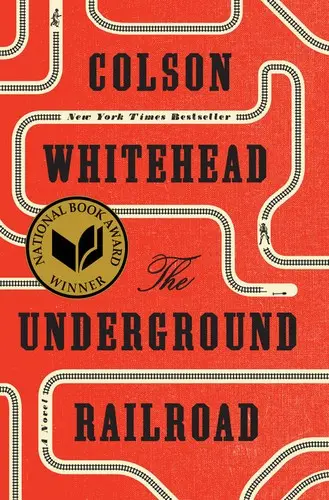
The Underground Railroad
The Underground Railroad made literal: an actual railroad beneath the South becomes a machine for exploring every American nightmare about race, freedom, and systemic oppression. Whitehead's prose is controlled and formally audacious. A landmark of American literature and the book that announced the decade's most decorated novelist.
Emotional distance is the most common complaint, with reviewers reaching for the same words, describing themselves as “completely unattached from them,” watching plot happen to people they never connect with. Some readers call the literal train a letdown in practice, saying flatly they “didn’t like how the Underground Railroad was an actual underground train,” since it barely reappears once introduced, a transport device rather than a sustained idea. The back half shifts into passages a critic calls “forced and preachy” rather than staying in scene. The secondary cast sorts into single traits. And a few finish without understanding what set it above other slavery narratives.
The case for it and the rest of the canon open with Pro.