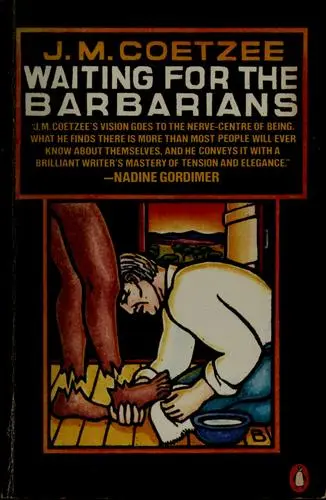
Waiting for the Barbarians
J.M. Coetzee · 1980
An unnamed Empire, an unnamed Magistrate, and the torture of "barbarians" who may pose no actual threat. Coetzee's 1980 allegory applies to every empire that has ever justified atrocity through security. The Magistrate's complicity and then resistance is the most honest portrait of the liberal confronting state violence in contemporary fiction.
Literary Fiction · the Pro canon
The case for it and the rest of the canon open with Pro.
if this one calls to you, so will these →