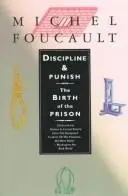
Discipline and Punish
Decide its fate
The record
Time
An eveningA season333 pages, about 7 hours: about the length of a typical book on the shelf.
Getting in
Walk right inSteep climbOne reader reports losing the thread in the second and third sections, chapters covering penal reform before the panopticon.
What it gives
Plot and actionIdeas to live byIn 11 reviews from critics and book blogs, one credits the plot and 10 credit the ideas or a change in how they live.
One of a kind
Others do thisNothing else doesMatthew Sharpe, in an essay for The Conversation, links Foucault’s method to Nietzsche’s genealogy.
The case for it
on the opening scene
“If you have read it, you never forget the opening scene.”
a book blog on the panopticon
“The culmination of this idea of deepening power is the panopticon”
a Substack review on docile bodies
“the ways we have learnt to discipline our conduct to make people docile and compliant”
a Substack review on the carceral archipelago
“describes the disciplines developed in modern prisons as engendering a “carceral archipelago” in modern societies”
Matthew Sharpe · The Conversation, 2025
The case against
on the early chapters
“3rd sections, “The Spectacle of the Scaffold” and “Generalized Punishment,” floated mostly above my head”
a book blog on the translation
“small errors, strange or unhelpful choices, missing words or phrases, and shifts in register”
a book blog on the first anecdote
“from the first anecdote, it is clear Foucault is expecting us to recoil with disgust”
two stars · a Substack review on the length
“The book is already of sufficient length and depth”
a book blog