The Last Book Shelf
Download

The Rebellion Path

"What happens when you refuse to comply?"

Noncompliance is not always heroic — sometimes it's just necessary, and sometimes it's the only honest response to an absurd world. These books trace the arc from internal revolt to outward defiance, from Bartleby's "I would prefer not to" to the total rupture of revolution.

8 books~23 weeksAccessible
1
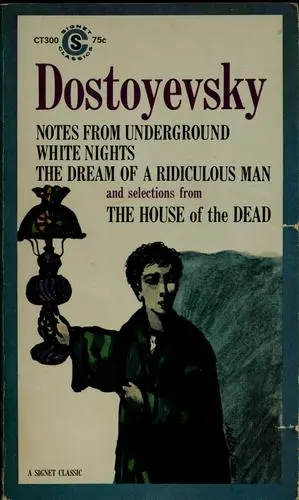
Notes from Underground
Fyodor Dostoyevsky · 1864

The angry monologue that launched existentialism. Dostoyevsky's Underground Man — bitter, self-aware, paralyzed by consciousness — rejects every rational system that promises happiness. Written as a rebuttal to utopian socialism, it became the template for every unreliable narrator and anti-hero who followed.

2
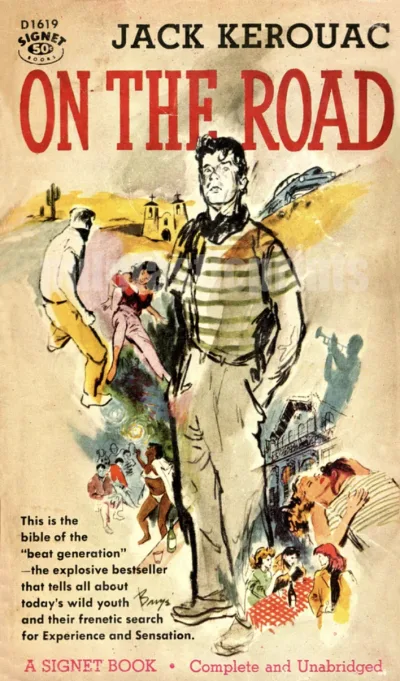
On the Road
On the Road
Jack Kerouac · 1957

Kerouac's scroll-written spontaneity invented a prose rhythm that influenced every countercultural writer after 1957. Motion as spiritual practice, America as infinite space, male friendship as transcendence. The book that convinced a generation to go somewhere. Its actual literary merit is still debated, and the debate is part of its legacy.

3
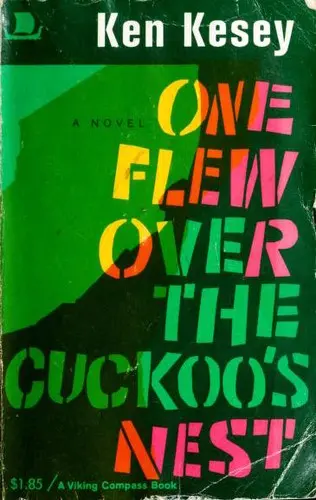
One Flew Over the Cuckoo's Nest
Ken Kesey · 1962

The mental institution as metaphor for conformist society. Nurse Ratched as the face of institutional power. McMurphy as the rebel who laughs in its face. Kesey's 1962 counterculture classic has politics complicated by its treatment of women and race, but its critique of normalization remains urgent.

4
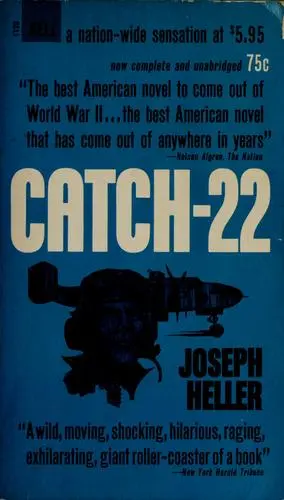
Catch-22
Catch-22
Joseph Heller · 1961

Heller's circular, recursive logic captures exactly how institutions sustain themselves: by making sanity look like madness. The funniest serious novel in American literature, and the definitive anti-war novel. "Catch-22" entered the language as a concept. That is how you know a novel worked.

5
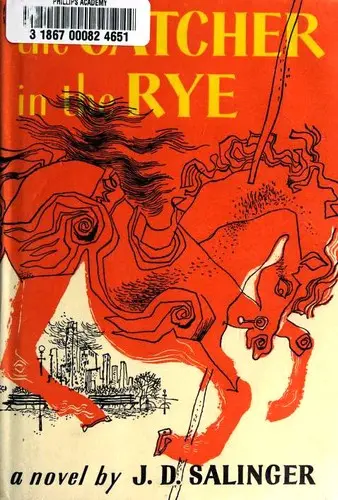
The Catcher in the Rye
J.D. Salinger · 1951

Holden Caulfield is impossibly irritating and completely right. Salinger invented the voice of adolescent alienation in 1951, and it still speaks to readers decades past their adolescence. The authentic disdain for phoniness is itself a philosophical position. It has been banned more than almost any other American novel, which tells you something.

6
Steppenwolf
Steppenwolf
Hermann Hesse · 1927

Harry Haller's division between the human and the wolf, between civilization and instinct, is Hesse's most psychologically acute portrait. Published in 1927, dismissed by critics, loved by readers for a century. Every alienated young intellectual discovers it and recognizes themselves. Its emotional intelligence is real, whatever the academics say.

7
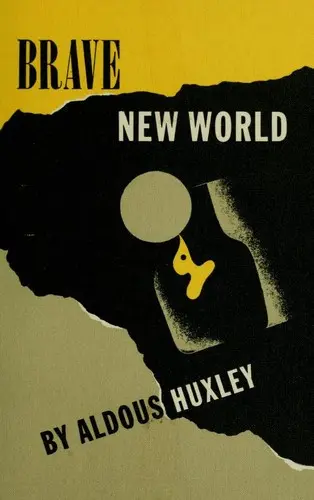
Brave New World
Brave New World
Aldous Huxley · 1932

Huxley's 1932 nightmare looks more like our present than Orwell's does. His dystopia runs not on surveillance but on comfort, pleasure, distraction, and the elimination of meaningful suffering. The people in Brave New World are happy. That is the horror.

8
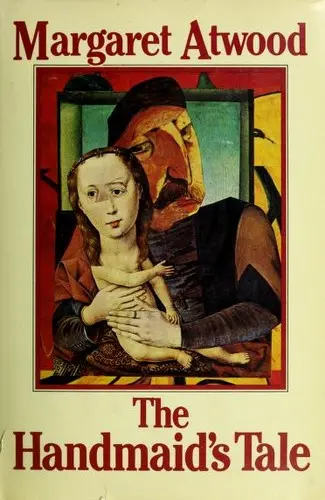
The Handmaid's Tale
The Handmaid's Tale
Margaret Atwood · 1985

Atwood claimed every element of Gilead had real-world precedent, which makes this theocratic feminist dystopia more terrifying, not less. It permanently linked reproductive rights to speculative fiction.

Unlock Reading Paths
This feature is available with Last Book Shelf Pro
Back to Home