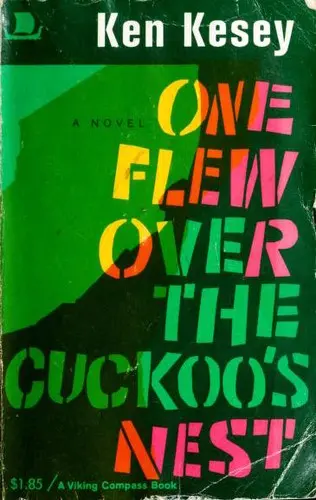
One Flew Over the Cuckoo's Nest
Decide its fate
The record
Time
An eveningA season311 pages, about 6 hours: about the length of a typical book on the shelf.
Getting in
Walk right inSteep climbOne reader quit after fifty pages and another nearly rated it zero stars at seventy pages, before McMurphy’s conflict with Nurse Ratched develops.
What it gives
Plot and actionIdeas to live byIn 13 reviews from critics and book blogs, 3 credit the plot and 10 credit the ideas or a change in how they live.
One of a kind
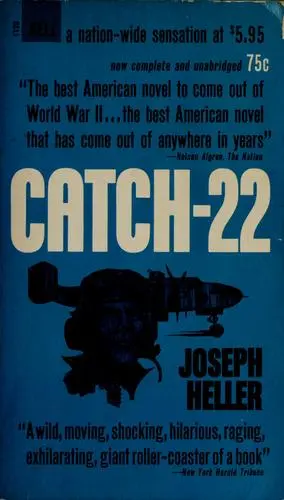
Others do thisNothing else doesCatch-22, 463 pages, and The Bell Jar, 262 pages, join it on a book blog’s list of novels asking who is really insane.
The case for it
on the fog lifting
“possibility enters a space like light under a door”
a Substack review on McMurphy as hero
“Shane, or like Gary Cooper in High Noon, or Paul Newman in Cool Hand Luke”
Charles McNair · Paste Magazine, 2013 on Nurse Ratched
“she is undoubtedly one of the best villains in modern American fiction”
a book blog on Group Meeting
“I felt the boys’ fear and frustration at Group Meeting”
Quinn Forlini · Capsule Stories, 2021
The case against
on McMurphy’s arrogance
“a racist, sexist, impetuous, lecherous gambler”
a book blog on a patient’s wife
“One resents his wife for having a big chest that attracts other men’s attentions.”
one star · a book blog on pacing without McMurphy
“is not a part of a scene, it’s like the disco ball just shuts off”
a book blog on the orderlies
“The narrator, Chief Bromden, fixates on the orderlies’ blackness, mentioning it at every point.”
four stars · a book blog