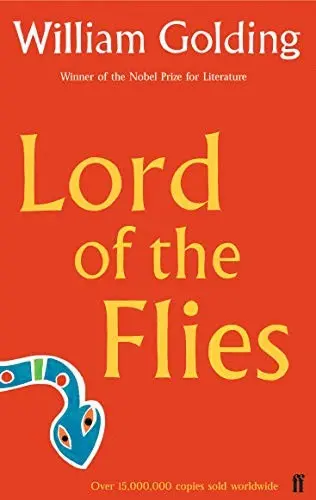
Lord of the Flies
Decide its fate
The record
Time
An eveningA season243 pages, about 5 hours: three-quarters the length of a typical book on the shelf.
Getting in
Walk right inSteep climbSix first-hand reports describe a slow start in the first chapter or pages, easing by the third or fourth chapter.
What it gives
Plot and actionIdeas to live byIn 14 reviews from critics and book blogs, 4 credit the plot and 11 credit the ideas or a change in how they live.
One of a kind
Others do thisNothing else doesA synopsis on a book blog says it is often compared to The Catcher in the Rye, on the shelf at 240 pages.
The case for it
on the descent into savagery
“the descent into savagery and the complete lack of foresight”
three stars · a book blog on the beast symbol
“The most important symbolism presented in the novel is that of the ‘beast’”
four stars · a book blog on the prose
“Every line he wrote was a poem in making and a song for taking”
a book blog on the length
“it is about the size of To Kill a Mockingbird”
a book blog
The case against
on the pacing
“it took me until over halfway into the novel to even start being interested”
a book blog on the island descriptions
“the descriptions of the island are a bit dull”
a book blog on the minor characters
“it was actually difficult to differentiate between them a lot of the time”
three stars · a book blog on the writing style
“The writing can be a bit hard to get into”
a book blog