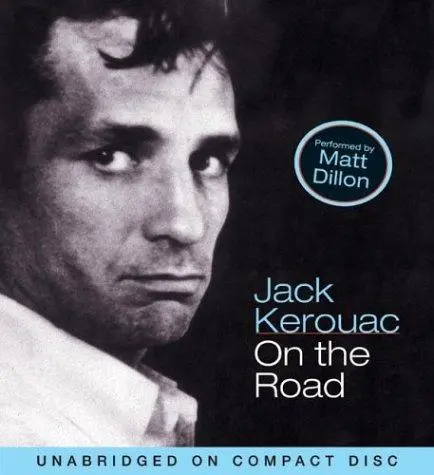
On the Road
Decide its fate
The record
Time
An eveningA season310 pages, about 6 hours: about the length of a typical book on the shelf.
Getting in
Walk right inSteep climbTwo readers report stalling before page 50 or at a Part One party, and a book blog says readers quit within the first pages.
One of a kind
Others do thisNothing else doesA book blog sets it against The Catcher in the Rye and traces its rebel-and-follower plot back to Don Quixote.
The case for it
on Sal’s journey
“The anarchic quest for meaning and purpose takes place on the road as Sal Paradise”
Kirkus Reviews, 1957 on Sal Paradise
“Sal Paradise, a budding writer given to ecstasies about America, hot jazz”
Unsigned review · TIME, 1957 on the party scenes
“All throughout the description of orgiastic experiences of parties are passages of striking lyricism.”
a book blog on the jazz prose
“Like jazz, the prose is rapid, spontaneous and bursting with creativity liberated from convention.”
a book blog
The case against
on Sal and Dean
“a non-story chronicling the cross-country escapades of dude-bros”
Joshua Chaplinsky · LitReactor, 2013 on Sal and women
“He comes across as a creepy dork, especially when talking about women.”
a Substack review on Dean’s pursuit of girls
“Dean’s predatory relationship towards girls as young as thirteen years-old (yikes), does not age well.”
a Substack review on the length
“it was twice as long as it needed to be.”
two stars · a book blog