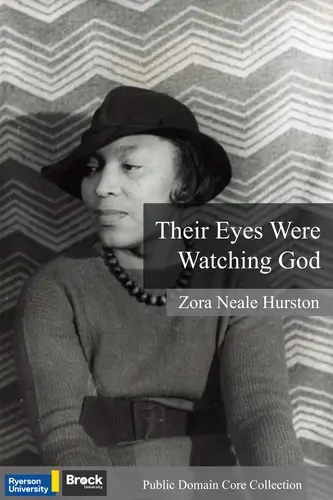
Their Eyes Were Watching God
Decide its fate
The record
Time
An eveningA season231 pages, about 5 hours: three-quarters the length of a typical book on the shelf.
Getting in
Walk right inSteep climbTwo readers report forcing through the phonetic dialect and the mule-story chapters before the second half gains momentum.
What it gives
Plot and actionIdeas to live byIn 13 reviews from critics and book blogs, one credits the plot and 7 credit the ideas or a change in how they live.
One of a kind
Others do thisNothing else doesOne review pairs it with Native Son and Beloved, both longer than its 231 pages, for setting and characters.
The case for it
on the pear tree scene
“One of the loveliest passages in the novel is at page 11”
a Substack review on the audiobook
“The audiobook performed by Ruby Dee is excellent”
a Substack review on the hurricane
“The pace is slow at first but speeds up when a hurricane hits the Everglades.”
four stars · a book blog on the dialogue
“the dialogue gives us a constant sense of character in action.”
George Stevens · The Saturday Review of Literature, 1937
The case against
on the intended audience
“her novel is not addressed to the Negro, but to a white audience”
Richard Wright · The New Masses, 1937 on the mule chapters
“there are multiple chapters all dedicated to a side story about a stubborn mule”
two stars · a book blog on the dialect
“Although Hurston’s narrative prose is perfection, the dialogue requires a lot of work.”
five stars · a book blog on period attitudes
“I felt real emotions while reading this, usually rage at all the sexism.”
four stars · a book blog