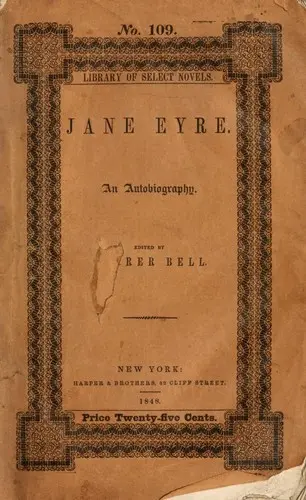
Jane Eyre
Decide its fate
The record
Time
An eveningA season480 pages, about 10 hours: the length of 1.5 typical books on the shelf.
Getting in
Walk right inSteep climbTwo readers report giving up on the first four or five chapters at Gateshead; one stopped at Lowood as a child.
One of a kind
Others do thisNothing else doesThree readers say they prefer Wuthering Heights, on the shelf at 318 pages, to this book.
The case for it
on the prose
“a rich meal, full of excellent diction and coherent style”
a book blog on the atmosphere
“The gothic atmosphere of the novel made it a perfect read for dark December nights”
a book blog on the romance
“I also swoon at their all-encompassing love”
a Substack review on the narration
“Jane talks to the reader confiding her innermost thoughts and passions.”
a book blog
The case against
on Jane’s character
“It is true Jane does right, and exerts great moral strength, but it is the strength of a mere heathen mind which is a law unto itself. No Christian grace is perceptible upon her.”
Elizabeth Rigby · The Quarterly Review, December 1848 on St. John’s sermons
“the rambled sermonizing between John and herself had me skimming multiple pages”
a book blog on the length
“would be easy to trim out roughly fifty percent and still have a coherent tale”
a book blog on Rochester’s control
“Rochester’s Svengali-like control over Jane is unsettling.”
a book blog