The Last Book Shelf
Download
the canon
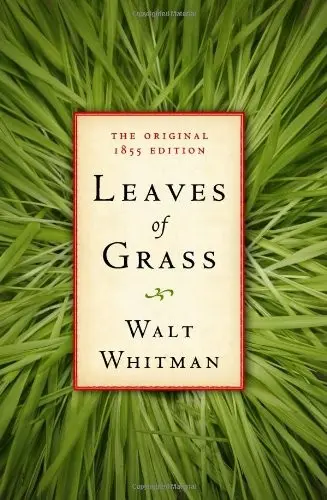
Cover of Leaves of Grass by Walt Whitman

Leaves of Grass

Walt Whitman · 1855

The book that invented American poetry. Whitman's long, cataloguing lines, his promiscuous embrace of everyone and everything, his insistence on the body as sacred, his democracy of subjects (grass, whores, ants, presidents, himself) broke all existing poetic rules and established new ones. "Song of Myself" remains the most comprehensive self-portrait in American literature. Every subsequent American poet has had to reckon with Whitman.

The case against

The long catalog passages, pages of listed occupations, places and body parts, wear thin fast for detractors, who compare the experience to “watching a slightly interesting shade of paint dry.” What fans read as expansive self-celebration, detractors read as self-absorption, complaining that “wide-eyed transcendental awe grates under the relentless single-minded repetition.” The book's sheer size, over four hundred poems by the final Deathbed Edition, puts off readers looking for one sitting, and without a plan for which poems to read people report stalling. Contemporary critics split just as hard: Rufus Griswold dismissed the whole book as “a mass of stupid filth.” The nationalist, expansionist-era optimism about America reads as dated to a modern political ear, and the free verse, once its novelty wears off, can start to feel formless rather than built.

Poetry · the Pro canon

The case for it and the rest of the canon open with Pro.

if this one calls to you, so will these →