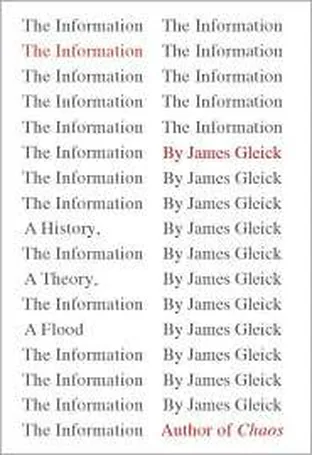
The Information: A History, a Theory, a Flood
Decide its fate
Start with the drums: "The discussion at the very start of this book about African talking drums is virtually worth the cover price alone," one reader writes, and the highlights keep arriving where a computing history has no business finding them: "The chapter that first captured me detailed the history of the OED." When Gleick reaches Babbage and Lovelace the survey turns into biography, and the chapter "filled me with rapture and awe, and a little bit of jealousy," another admits, "peeking in on these great discoveries." That awe works backward on the math itself, undoing years of classroom resentment: "If I had only known that math is just another way of describing the world, just, ya know, symbolism like Dostoevsky used, but with numbers."
"Claude Shannon, whom one would expect to be the heart and soul of this book, makes a brief appearance in the prologue, but it takes Gleick over 150 pages to get back to him," one reader reports. The detour runs through dictionaries and telegraphs without becoming an argument, and even the book's heft is partly an illusion: "the last 40% is acknowledgements, sources and appendices." For a history of information, the facts wobble: Gleick "straight out says that Prince stopped using his name because he 'got tired of it.' No, that is not true." A reviewer counting the cast asks, "Did you know that the only two women involved in the entire history of Western computing were Ada Lovelace and Margaret Mead, who once took notes at a conference?"