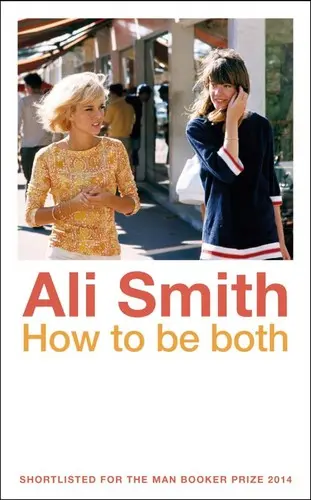
How to Be Both
Two narratives, one set in 15th-century Italy and one in modern-day Cambridge, printed in random order so that half the copies start with one and half with the other. Smith's formal gambit sounds like a gimmick but produces a genuinely different reading experience depending on which half you get first. A novel about art, grief, and perception that practices what it preaches.
Francesco’s invented dialect, dropped punctuation and no quotation marks for dialogue, is the single most-named annoyance, one reader sighing “hello, quotation marks for defining speech sections.” Readers who landed that half first describe real difficulty, one saying it left them “swimming in a load of words that had no meaning,” and another reporting “Rather than feeling immersed, I felt distanced.” A reader who compared notes with friends says flatly “I don’t know a single person who liked the book.” Several who stalled inside Francesco’s half agree the loose grammar and fragmented chronology cost more effort than the structure paid back.
The case for it and the rest of the canon open with Pro.