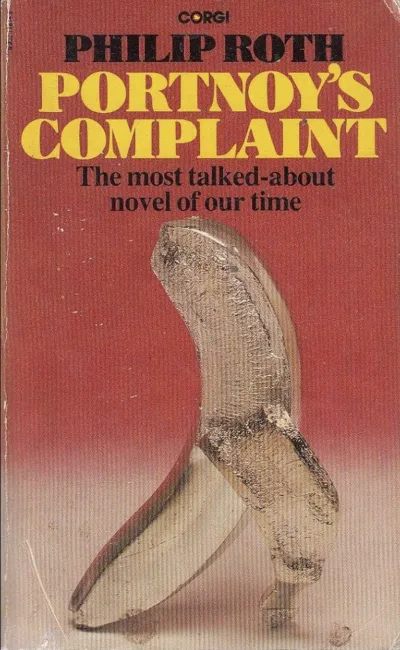
Portnoy's Complaint
Philip Roth · 1969
One long howl from a psychoanalyst's couch. Alexander Portnoy, a guilt-strangled New Jersey son, confesses everything to his silent analyst: the smothering mother, the martyred father, and an adolescence of compulsive masturbation pursued with a desperation that is somehow both filthy and holy. Roth's 1969 monologue made him famous and infamous in the same week: it blew open what American fiction could say out loud about sex, shame, and the Jewish family, and it is still the funniest thing he wrote. The whole book is that confession, unspooling without pause, the reader stuck in the analyst's chair.
Literary Fiction · the Pro canon
The case for it and the rest of the canon open with Pro.
if this one calls to you, so will these →