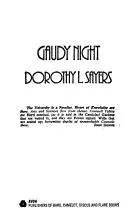
Gaudy Night
Decide its fate
The record
Time
An eveningA season469 pages, about 9 hours: the length of 1.5 typical books on the shelf.
Getting in
Walk right inSteep climbOne reader reports repeatedly starting and setting the book aside before finishing it years later.
What it gives
Plot and actionIdeas to live byIn 15 reviews from critics and book blogs, 9 credit the plot and 12 credit the ideas or a change in how they live.
One of a kind
Others do thisNothing else doesA CrimeReads list of academic mysteries pairs it with Tinker, Tailor, Soldier, Spy and The Secret History, both on the shelf.
The case for it
on the prose style
“First rate yarn on the erudite and discursive side”
Kirkus Reviews, 1936 on the feminist themes
“biting commentary on a variety of feminist issues: education, emancipation, motherhood, and romantic relationships”
Angie Barry · Criminal Element, 2015 on Harriet and Peter
“Sayers does a wonderful job of creating a meaningful but complicated relationship”
a book blog on the book’s structure
“its different strands are cleverly interwoven and the result transcends genre”
a book blog
The case against
on the length
“its length – 500 pages – and how slow the build is for the plot”
a book blog on the Shrewsbury dons
“were therefore depicted as thwarted virgins who suspect each other”
a book blog on the Latin and Greek
“The frequent Latin quotations and Greek tags with no translations provided are particularly irritating”
four stars · a book blog on the detective plot
“as a detective story it is a thoroughgoing, dismal flop”
Mary McCarthy · The Nation, 1936