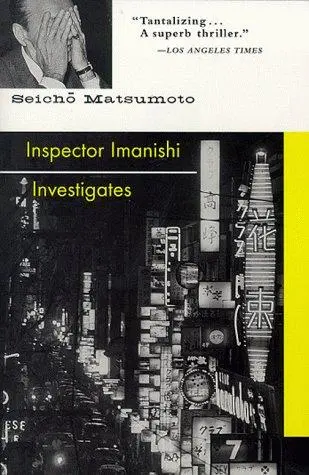
Inspector Imanishi Investigates (砂の器)
Decide its fate
The record
Time
An eveningA season313 pages, about 6 hours: about the length of a typical book on the shelf.
Getting in
Walk right inSteep climbBefore dawn at Kamata Station, Tokyo, an unidentified man’s body is found on the train tracks.
What it gives
Plot and actionIdeas to live byIn 10 reviews from critics and book blogs, 7 credit the plot and 7 credit the ideas or a change in how they live.
One of a kind
Others do thisNothing else doesA Los Angeles Times blurb ranks it with Christie and Simenon.
The case for it
on green tea and bonsai
“He cultivates a bonsai and enjoys green tea poured over rice.”
a book blog on the food
“I was consistently craving food throughout this book”
a book blog on postwar Japan
“thoughtfully explores the changes taking place in Japanese society at the time”
a book blog on his wife Yoshiko
“Their relationship and Yoshiko’s conduct of course reflect the mores of the time”
a book blog
The case against
on the final chapters
“Show me, don’t tell me!”
a book blog on the pace
“the pace is more leisurely than in the other two Matsumoto novels I’ve read”
a book blog on the clues
“some of them a little too neatly dropped in his lap”
a book blog on the women characters
“the uniformly subservient characterisation of women”
a book blog