Notes from No Man's Land
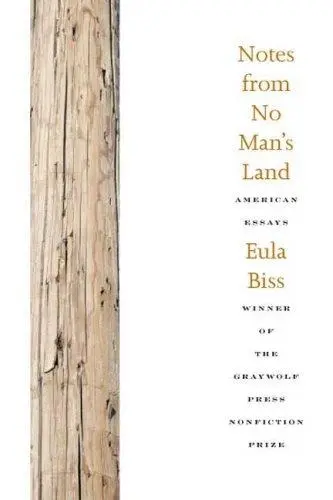
NBCC Award winner. Essays on race, whiteness, and American geography that are formally inventive and historically rigorous. Biss asks what it means to be white in America with more honesty than almost anyone.
Biss names her own whiteness so often across these essays that detractors say it curdles from argument into tic, essay after essay circling back to her guilt rather than pointing anywhere a reader could act. One reviewer's anger goes past irritation into wanting to “track down Biss and punch her in the face.” Another reviewer explicitly frames a middling rating around the book's age, admitting it was “published in 2009 when I give it three stars,” implying the same book judged by today's standards on race would score lower still. A cluster of readers find the whole stance presumptuous, questioning whether a white essayist writing this much about race claims more authority than she should, and at least one asks whether a male writer doing the same would be read the same way. The opening essay on lynching and telephone poles draws the strongest reactions either direction.
The case for it and the rest of the canon open with Pro.