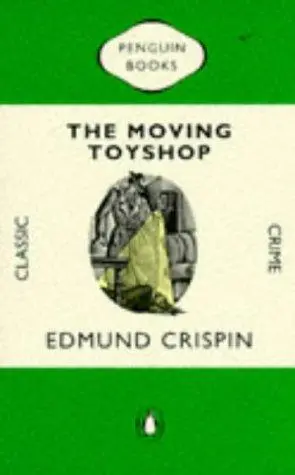
The Moving Toyshop
Decide its fate
The record
Time
An eveningA season224 pages, about 4 hours: two-thirds the length of a typical book on the shelf.
Getting in
Walk right inSteep climbOne reader quit halfway, citing the farcical style; another calls the book a slog.
What it gives
Plot and actionIdeas to live byIn 11 reviews from critics and book blogs, 7 credit the plot and none credit the ideas or a change in how they live.
One of a kind
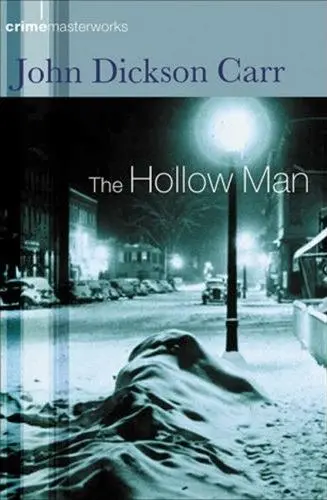
Others do thisNothing else doesA blog post calls it Crispin’s version of Carr’s The Hollow Man, on the shelf at 303 pages.
The case for it
on Fen and Cadogan
“the brilliant double-act that are Fen and Cadogan”
five stars · a book blog on the Oxford chase
“Mack Sennett chase of dons and bulls of Oxford”
Kirkus Reviews, 1946 on combining comedy and detection
“few mystery writers able to combine situation comedy and high spirits with detection”
P. D. James · The Wall Street Journal, 2006 on Cadogan as Watson
“makes for an engaging and funny Watson”
a book blog
The case against
on the plot’s coincidences
“relies heavily on coincidences, improbabilities and things which are so far-fetched as to be ridiculous”
a book blog on the later chases
“the madcap chases and confrontations got old”
a book blog on the writing style
“turned off by the farcical writing style”
a book blog on the humor
“I didn’t think it rose to the level of Wodehouse hilarity that the blurb promised”
a book blog