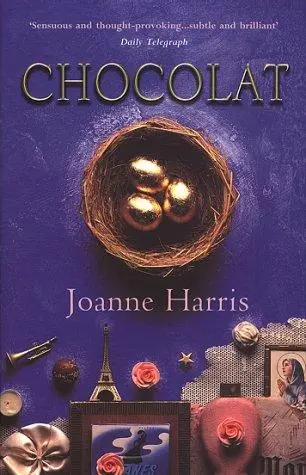
Chocolat
A sensuous and gentle love story wrapped in the magic of a chocolatier arriving in a small French village during Lent. Vianne and Roux's romance develops slowly and naturally; the real subject is the way love requires freedom. Freedom from judgment, from history, from the self you've been told to be.
The ending resolves the town's prejudice by swapping one set of outcasts for another rather than actually reconciling the community, and some readers say the story ends up managing to “merely swap out one bigotry for another.” Father Reynaud gets no sympathetic Christian counterweight in the book, which leaves the anti-religious message heavy-handed for readers who otherwise like the setup, and Vianne herself comes off as smug by the final chapters to more than one reviewer. Reynaud's second-person diary sections, addressed to a dead confessor, are cited as a pacing drag, and the mystical thread around Vianne's abilities gets introduced with promise and then left to fade. One critic calls the effect a “bitter centre of rancid preaching” wrapped in a “sickly sweet aftertaste of condescension,” and readers who came from the 2000 film say the novel's ending is less crowd-pleasing than they expected.
The case for it and the rest of the canon open with Pro.