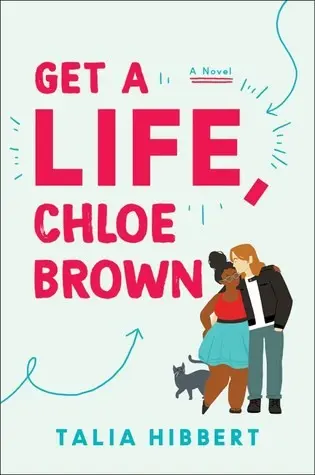
Get a Life, Chloe Brown
Hibbert's debut contemporary romance features a chronically ill heroine and a tattooed artist-handyman in a relationship that's joyful, sexy, and emotionally sharp. It became a breakthrough hit for its authentic representation of disability and its deeply satisfying slow burn. Launched a beloved trilogy.
The late-book conflict is a manufactured miscommunication, a fight neither party's established communication skills would plausibly produce, and it gets flagged repeatedly as undercutting the couple's credibility right before the resolution. A reader calls the whole thing “the final argument before the resolution was so unnecessary,” and another finds Chloe herself “a bit of a Debbie Downer,” moody and closed-off in a way that delays investment. The explicit dirty talk in the sex scenes reads as jarring against Chloe's buttoned-up establishment, and one reviewer jokes “Caution: rated R... or X.... or NC17” about the tonal jump. A cluster of readers DNF early, calling the enemies-to-lovers setup “a bit cringe or too cutesy and forced” rather than the steamy payoff the hype promised.
The case for it and the rest of the canon open with Pro.