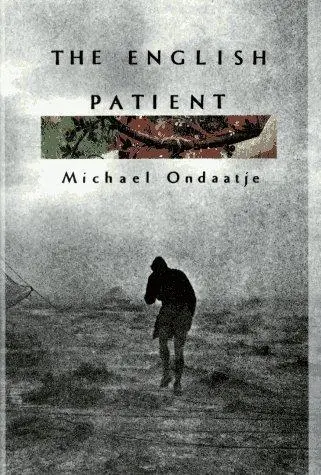
The English Patient
A 1992 Booker Prize winner that uses a burn patient's fractured memory to tell a love story about maps, bodies, and what we carry. Ondaatje writes in prose so beautiful it feels like it shouldn't be allowed. The love story at the center is all the more unbearable for being told in pieces.
Jumping between four points of view and two timelines without clear signposting is the complaint that comes up most, readers saying they lose track of who and when. The prose keeps them at a distance too, one writing the book holds “you at too great a distance from them,” and a critic gripes about “beautiful writing just for the sake of beautiful writing” that slows the story rather than serving it. Some call the central relationship more romance than war novel, feeling it oversells its historical premise: “this was more weird romance than it was a war novel.” A simile early on comparing part of the burned patient's body to a sea horse strikes multiple readers as jarringly odd, one dismissing the prose flatly as “as bland as plain yogurt.” A subset of readers also push back on how Bedouin characters are written as needing the protagonist to identify their own equipment.
The case for it and the rest of the canon open with Pro.