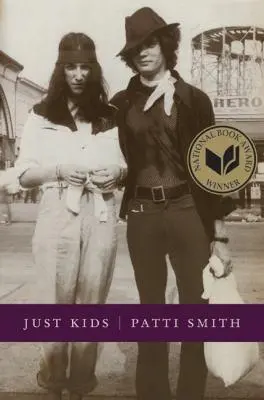
Just Kids
Smith's National Book Award-winning memoir of her relationship with photographer Robert Mapplethorpe in late 1960s and 70s New York is a love story, an artist's bildungsroman, and an elegy for a bohemian world that no longer exists. Its prose is luminous. Its grief, unsentimental.
The middle stretch draws the sharpest pushback: readers say the actual narrative “gets a little lost in name dropping” once the parade of boldface cultural figures takes over. Smith’s own self-portrayal grates on some, who find her devotion to Mapplethorpe and the downtown scene “sounds so damn groupie-ish” rather than self-possessed. Others point to specific tics, an old-fashioned habit of using “the word ‘for’ instead of ‘because’,” as evidence of prose more mannered than it is moving. The book piles up “a focus on props at the expense of any emotional appeal,” several argue, clothes and decor standing in for feeling in a story that is supposed to be intimate. Practical questions, like how the pair actually paid rent, get glossed over almost entirely.
The case for it and the rest of the canon open with Pro.