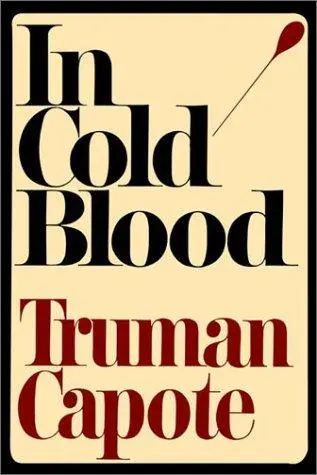
In Cold Blood
Capote invented the "nonfiction novel" with this account of the 1959 Clutter family murders in Kansas, doing six years of reporting and transforming it into prose of harrowing, novelistic beauty. It redefined what journalism could be and made literary nonfiction a genre of its own.
The nonfiction label is the fight. Interior thoughts and private conversations no one witnessed are rendered as fact, and the closing graveyard scene, which Capote later admitted never happened, has readers concluding “the novel is ultimately a LIE” and that “NOTHING in this book can be trusted as having been true.” One reader's rule for the padded front hundred pages is blunt: “if it's not important, cut it out.” Some read a real bias toward Smith, who gets more psychological depth than the victims do. And readers arriving from the film report “it's nothing like the movie,” quieter and more literary than the reputation implies, with an ending that “felt too perfect.”
The case for it and the rest of the canon open with Pro.