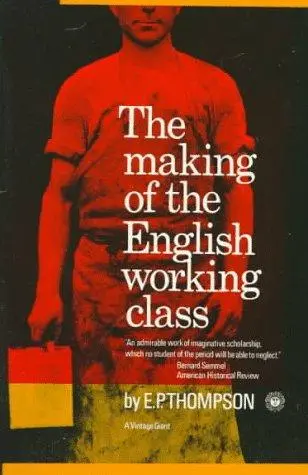
The Making of the English Working Class
Thompson's 900-page masterwork recovered the lived experience of ordinary working people during Britain's Industrial Revolution: their cultures, their struggles, their self-organization. It invented "history from below." Changed how historians think about whose experience matters.
It assumes a graduate-level grounding in British history, and readers without it stop constantly to look up Peterloo and Cato Street. Even admirers grant the book is “eight hundred pages long, haphazardly organized,” and the middle stretch on trade-union leadership and Owenism is where momentum dies. Working-class women are almost entirely absent, leaving it “outdated for its lack of serious analysis of working class women,” the plainest failure by modern standards rather than a quirk of its era. Critics argue Thompson picks sympathetic case studies and tidies them, keeping the narrative “a little tidy,” and a longer critique names “significant methodological and theoretical drawbacks.”
The case for it and the rest of the canon open with Pro.